



Changing nameservers may look like a simple DNS action, but it is actually a structural change.
Understanding the difference between changing nameservers and editing DNS records helps domain owners avoid unnecessary outages and choose the safer option for routine updates.
Nameservers vs DNS Records: The Key Difference
Nameservers tell the internet which DNS provider is authoritative for your domain.
When you change nameservers, you are effectively saying:
"Stop trusting the current DNS provider and trust a completely different one."
DNS records, on the other hand, live inside a DNS provider. Editing records changes specific services without changing who controls DNS for the domain.
This distinction is critical.
Why Changing Nameservers Is a High-Risk Action
1. DNS Records Do Not Transfer Automatically
A common misunderstanding is assuming that DNS records "move with the domain."
Acatually DNS records are stored at the DNS provider.
When nameservers are changed:
-
The old provider’s records are no longer used
-
The new provider starts with an empty DNS zone unless records are recreated manually
Any record that is not rebuilt stops working immediately.
2. Email Services Are Often the First to Break
Email depends on multiple DNS records, including:
-
MX
-
SPF
-
DKIM
-
DMARC
If even one of these is missing or incorrect after a nameserver change:
-
Emails may fail to deliver
-
Messages may go directly to spam
-
Outbound email reputation may be damaged
These issues often appear before website problems and can be harder to diagnose.
Domains often rely on DNS records that are not obvious at first glance, such as:
-
mail.example.com -
api.example.com -
_acme-challenge -
_domainkey -
Third-party verification records
When nameservers are changed without a full record inventory, these services silently stop working.
Many systems rely on DNS continuity, including:
-
SSL certificate validation
-
Automatic certificate renewal
-
Platform ownership verification
-
API and webhook authentication
If the required TXT or CNAME records disappear during a nameserver switch, these systems may fail or require manual revalidation.
Editing DNS records:
-
Keeps the same DNS provider
-
Preserves all existing records
-
Affects only the specific service being modified
For example:
-
Updating an A record to point to a new server
-
Adding a TXT record for verification
-
Adjusting a single CNAME
These actions are targeted and reversible, making them far safer for routine changes.
| Action | Risk Level | Impact Scope |
|---|---|---|
| Edit DNS records | Low | Individual services |
| Change nameservers | High | Entire domain |
| Change nameservers without full record migration | Very High | Website, email, and automation |
If you are not intentionally switching DNS providers, changing nameservers is usually unnecessary.
When Changing Nameservers Is the Right Choice
There are valid reasons to change nameservers, including:
-
Moving to a new DNS provider
-
Enabling a DNS-based security or CDN platform
-
Consolidating DNS management into a new system
In these cases, safe execution requires:
-
Exporting all existing DNS records first
-
Recreating every required record at the new provider
-
Verifying websites, email, subdomains, and certificates after the switch
-
Keeping a rollback plan available
Nameserver changes should be planned operations, not quick fixes.
Common Misconceptions to Avoid
-
"Changing nameservers makes DNS faster."
-
"Nameservers and DNS records are the same thing."
-
"If something breaks, I can just switch back."
-
"If the main website works, everything is fine."
These assumptions are responsible for many preventable outages.
Final Takeaway
Nameservers control who answers DNS questions for your domain.
DNS records control how individual services work.
Changing nameservers is a full control transfer, not a minor adjustment. For most routine updates, editing DNS records is safer, faster, and far less disruptive.
As an ICANN-accredited registrar, Nicenic helps users understand these operational differences clearly, so changes are made at the correct layer and unnecessary service disruptions are avoided.
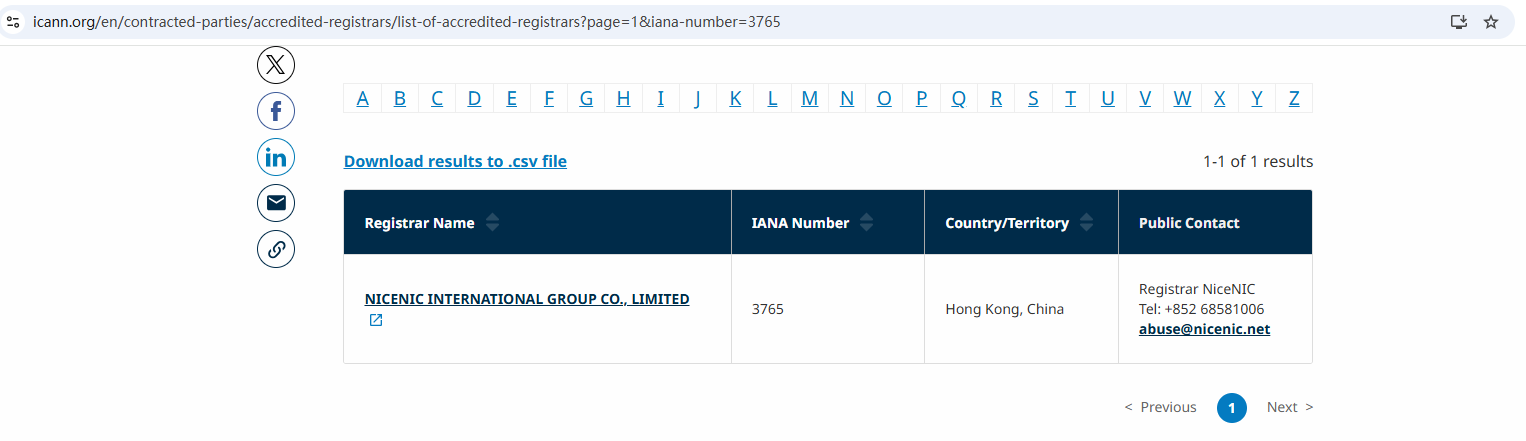
Nicenic stands as that trusted partner for brands, developers, entrepreneurs, and businesses worldwide.
Suggested "Read Next"
Next News: When a Domain Has a Problem, What Can a Registrar Actually Do?