
?????? ?? ?????:554
???:2026-01-29 12:21:10 ????: NiceNIC 
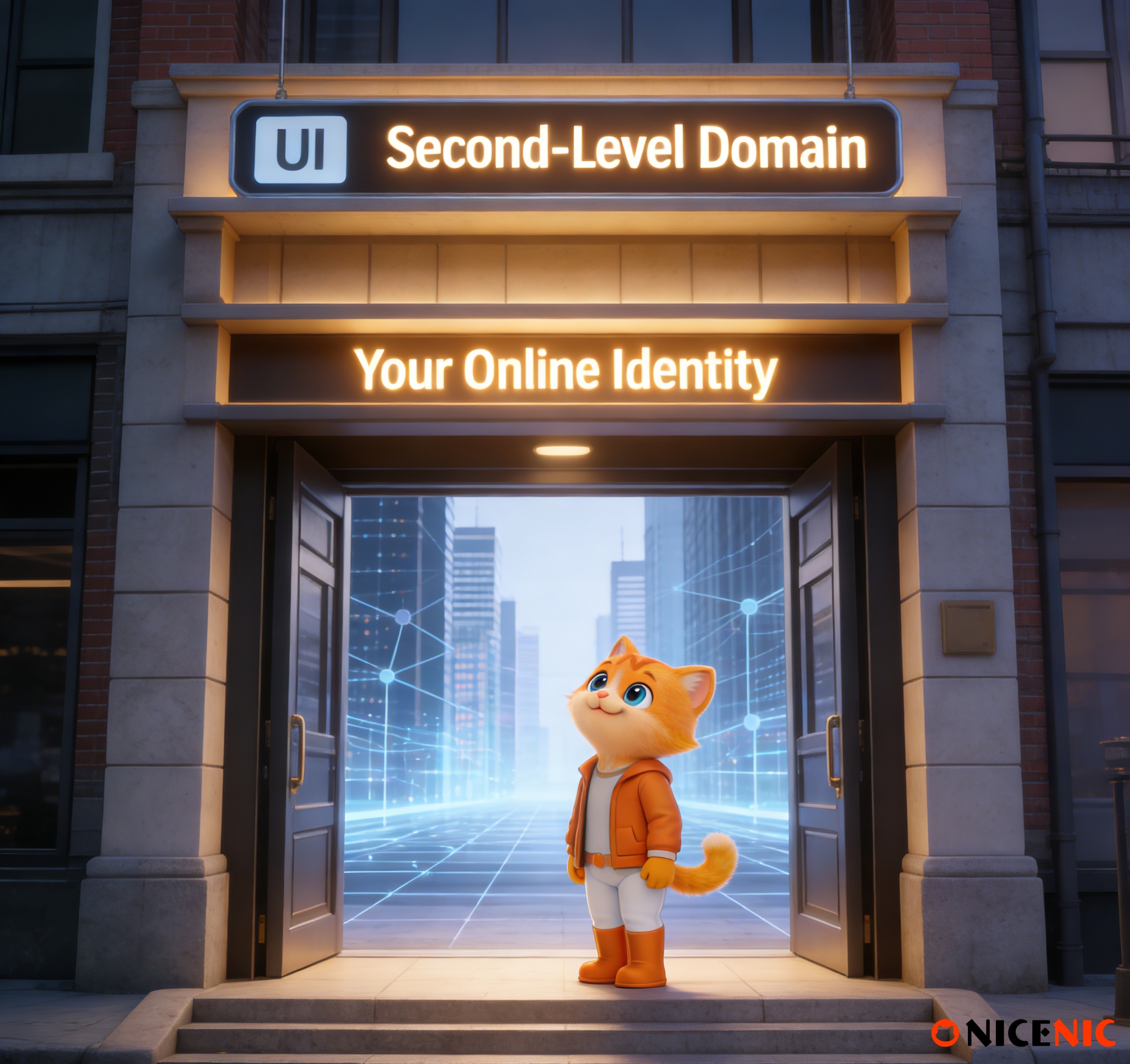
Whether you register a domain name, building a business site, starting a personal blog, or launching an e-commerce store, a strong SLD is key to boosting your online presence. In this guide, we'll break down what an SLD is and how it fits into your domain name structure, why it matters so much for your business, and share simple tips to help you pick the right one.
What is SLD?
In simple words, a second-level domain(SLD) is the name to the left of the domain extension, .com or .net. Example.com is reserved to explain the relationship between Top Level Domains (TLDs) and Second Level Domains (SLDs). Here, the word "example", which directly to the left of the last point is the second level domain. On nicenic.com, the word "nicenic" is SLD.
Importance of the SLD
Your choice of domain matters a lot, and here's why it's so key for your brand: Brand Identity and Recognition
Your second-level domain is usually the first thing people see when they interact with your brand online, it becomes tied directly to your business, and helps people recognize and remember your site. A good domain makes your brand easier to recall, even in a crowded online space.
SEO Benefits
The exact impact isn't set in stone, but putting relevant keywords in your domain can give your SEO a boost. Search engines factor in domain names when ranking sites, so a clear, on-topic domain can help your site show up more in search results.
Credibility and Trust
A professional, easy-to-read domain that matches your brand helps you build trust with visitors. People feel more confident on sites with simple, professional domain names than ones with messy, complicated addresses and that trust is huge for turning casual visitors into loyal customers.
What is ccSLD?
Contrary to the examples above, some countries consider an SLD as part of the domain extension, which is called a country-code second-level domain (ccSLD).
For example:
example.eu.com
example.com.de
example.us.org
example.uk.com
In these cases, the commercial or organizational label (such as .co, .com, .org) exists under a country-based namespace.
This structure allows businesses to use familiar domain name while maintaining geographic or regional association.
In NiceNIC, we offer these common SLD to register:
.ae.org , .br.com , .cn.com , .com.de , .de.com , .eu.com , .gb.net , .hu.net , .se.net , .uk.com , .uk.net , .us.com , .us.org , .jpn.com , .mex.com
To discover more options, please visit NiceNIC to check and choose.
Common Use Cases for Second-Level Domains
Business and Corporate Websites
Most companies choose an SLD that matches their brand name to maintain consistency across marketing, email, and digital assets.
Regional and Market-Specific Domains
Second-level domains under country-based namespaces are often used to target specific markets while preserving a global brand identity.
Portfolio and Brand Protection
Register SLD variations helps protect brand names from misuse, impersonation, or confusion across different extensions.
How to register SLD
Selecting the right SLD requires careful planning. Consider these tips to make sure you land on the perfect SLD for your brand:
Keep it short and simple
Aim for something easy to spell, pronounce, and remember. Shorter domains are generally more user-friendly and recognizable.
Make it brand relevant
Your SLD should reflect your business or personal brand. Think about how you want your customers to recognize you and ensure your domain aligns with that identity.
Avoid numbers and special characters
Adding numbers and special characters to your SLD can make your brand hard to remember. Stick with straightforward words that represent your brand.
Check availability
Make sure the SLD you desired is available. NiceNIC offer free domain name search tools to see if your preferred choice isn’t taken yet.
If you need more ideas, you can also use an AI-Powered Domain Name Search to help you come up with available SLDs easily.
Common Misunderstandings About SLDs
"Is the SLD the same as a subdomain?"
No. The SLD is part of the registered domain itself, while subdomains are extensions created under that domain.
"Do I own the SLD permanently?"
SLDs are registered on a renewable basis. Ownership depends on maintaining registration and compliance with registry policies.
"Are structured domains less legitimate?"
No. Structured second-level domains operate within established DNS and registry and are widely used for regional and commercial purposes.
Final Thoughts
Apart from being one component of the website address, the second-level domain becomes an important part of developing your online identity.
Knowing its significance for website architecture and following the best selection criteria can help you build a solid foundation for your online reputation.
While domain registration growth is slow overall, NiceNIC is one of the fastest-growing registrars.We are here always offering secure and 24/7 service and always stand with customers.So join us by registering your next domain at NiceNIC.
?????? ?????:
????? ???:
What Is .cc? Everything You Need To Know About .cc Domains
???? ???: What Is a .net Domain and How to Register a .net Domain
???? ???: What Is a .net Domain and How to Register a .net Domain