


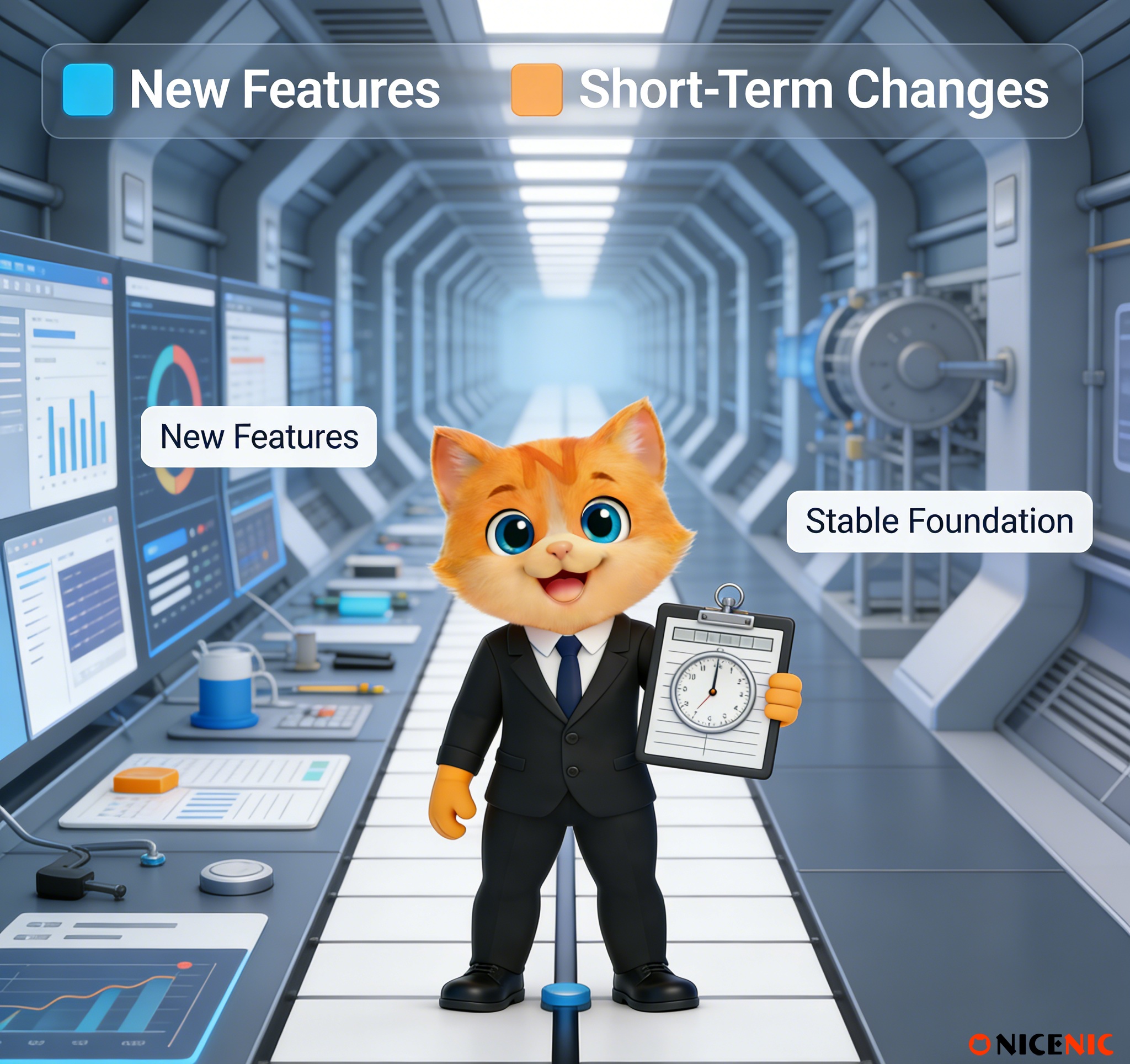
When choosing a domain registrar, most users compare visible features first: pricing, dashboards, integrations, or promotional tools.
Those factors are easy to evaluate on day one.
What is much harder to assess and often overlooked is registrar stability over time. Yet it is stability, not features, that determines how smoothly domain issues are
handled years later, when real problems appear.
Features Are Immediate. Stability Is Revealed Over Time
Features influence the onboarding experience. Stability determines what happens when something goes wrong.
Many users only realize this difference after encountering situations such as:
-
domain verification or compliance checks
-
registry-level policy changes
-
abuse or security investigations
-
ownership or transfer disputes
-
recovery from accidental expiration
At that point, feature lists no longer matter. Process maturity does.
Registrar stability is not just about a company "still existing."
From a customer perspective, it usually includes:
-
consistent compliance with registry and policy requirements
-
long-standing operational relationships with registries
-
predictable handling of domain lifecycle events
-
experienced support teams that understand escalation paths
-
clear documentation and communication during incidents
These qualities develop over time and cannot be replicated quickly.
Why Feature-Driven Choices Often Create Long-Term Risk
Many users choose registrars based on:
-
low introductory pricing
-
rapidly expanding feature sets
-
modern interfaces
While none of these are inherently bad, they can mask long-term risks:
-
features change, policies do not
-
interfaces can be redesigned, experience cannot
-
promotional pricing expires, responsibilities remain
Over time, gaps in process and communication become more costly than missing features.
Problems That Typically Appear Years Later
Some of the most stressful domain issues rarely occur in the first few months.
They tend to emerge later, including:
-
disputes requiring historical records
-
registry-initiated compliance actions
-
coordinated responses to abuse reports
-
complex transfer or recovery scenarios
-
multi-domain portfolio restructuring
These situations test institutional knowledge, not software design.
Why Frequent Registrar Switching Often Makes Things Worse
When issues arise, some users react by transferring domains to another registrar.
In practice, frequent switching can:
-
fragment historical context
-
reset communication channels
-
introduce new verification delays
-
increase operational risk during transfers
Each transfer is a policy-governed process. Stability reduces how often that risk is taken.
When issues occur, stable registrars typically:
-
explain what is happening and why
-
communicate clearly about policy constraints
-
coordinate effectively with registries
-
guide users through corrective steps
-
restore services once requirements are met
The value lies not in avoiding problems entirely, but in handling them predictably and proportionally.
Stability becomes critical when:
-
domains support core business operations
-
email and authentication depend on domain continuity
-
domains are tied to long-term brands or products
-
portfolios contain many domains or jurisdictions
The more a business depends on its domains, the more important registrar continuity becomes.
-
"All registrars work the same way."
-
"If there’s a problem, I’ll just switch later."
-
"More features mean fewer issues."
-
"Registrar choice only matters at registration."
In reality, registrar choice matters most after registration, when policies, incidents, and time intersect.
How to Evaluate Registrar Stability as a User
Instead of focusing only on features, consider:
-
whether the registrar is ICANN-accredited
-
how long it has operated under consistent ownership
-
clarity of policies and lifecycle explanations
-
transparency during disputes or incidents
-
responsiveness when problems are complex, not simple
These signals indicate long-term reliability.
Features shape the first impression. Stability shapes every year that follows.
Domains are long-term business assets. Choosing a registrar is therefore a long-term decision as well, one that should prioritize predictability, experience, and responsible operation over short-term convenience.
As an ICANN-accredited registrar, Nicenic focuses on long-term operational stability, clear processes, and consistent support, especially when issues arise and clarity matters most.
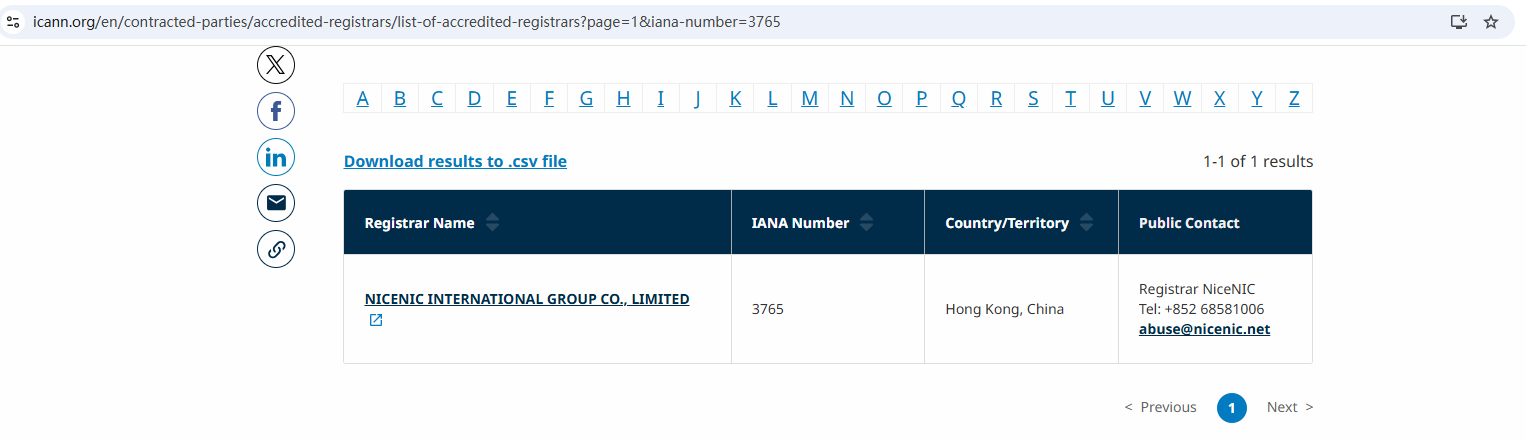
Nicenic stands as that trusted partner for brands, developers, entrepreneurs, and businesses worldwide.
Sonraki Haber: How to Tell Whether a DNS Issue Is Caused by Your Registrar, DNS Provider, or Host?