



Why Domain Names Matter for SEO
Search engines evaluate domains as part of their broader trust and relevance framework. According to Google's public documentation and independent SEO research:
-
Domains act as long-term identifiers of a website's reputation
-
Stable domains accumulate authority signals over time
-
Poorly managed domains introduce risk signals such as downtime, ownership inconsistency, and security issues
How Domain Quality Influences Search Visibility
1. Trust and Authority Signals
Search engines assess whether a domain appears legitimate, stable, and well-managed. Domains that demonstrate:
-
Consistent ownership
-
Predictable renewal behavior
-
Clean DNS history
-
Proper security configuration
2. Domain Relevance and User Perception
While keyword-heavy domains no longer provide the direct ranking boost they once did, research shows that clear, relevant, and brand-aligned domains still influence click-through rates. Higher click-through rates send positive engagement signals back to search engines.
Web designers play a critical role here by helping clients choose domains that are:
-
Short and memorable
-
Easy to spell and pronounce
-
Aligned with brand intent rather than keyword stuffing
3. Domain Stability Supports Long-Term SEO
Best Practices Web Designers Should Follow
Choose Domains with Longevity in Mind
Encourage clients to view domains as long-term digital assets, not disposable launch items. Multi-year registrations, clear ownership records, and stable registrar relationships all contribute to SEO resilience.
Ensure DNS and Domain Configuration Are SEO-Safe
SEO performance depends on uninterrupted crawl access. Web designers should ensure:
-
DNS records are correctly configured and documented
-
Name server changes are minimized post-launch
-
TTL values are set appropriately during site updates
Integrate Security as a Domain-Level SEO Signal
Google has confirmed HTTPS as a ranking factor. Domains must support:
-
SSL certificate issuance and renewal
-
Proper domain validation via DNS
-
Consistent HTTPS enforcement
Why Registrar Choice Matters for SEO Outcomes
Consumer registrars like GoDaddy and Namecheap are optimized for retail users, not agency workflows. SEO agencies frequently report issues such as:
-
Hidden lifecycle states
-
Confusing renewal notices
-
Aggressive upsells interfering with management clarity
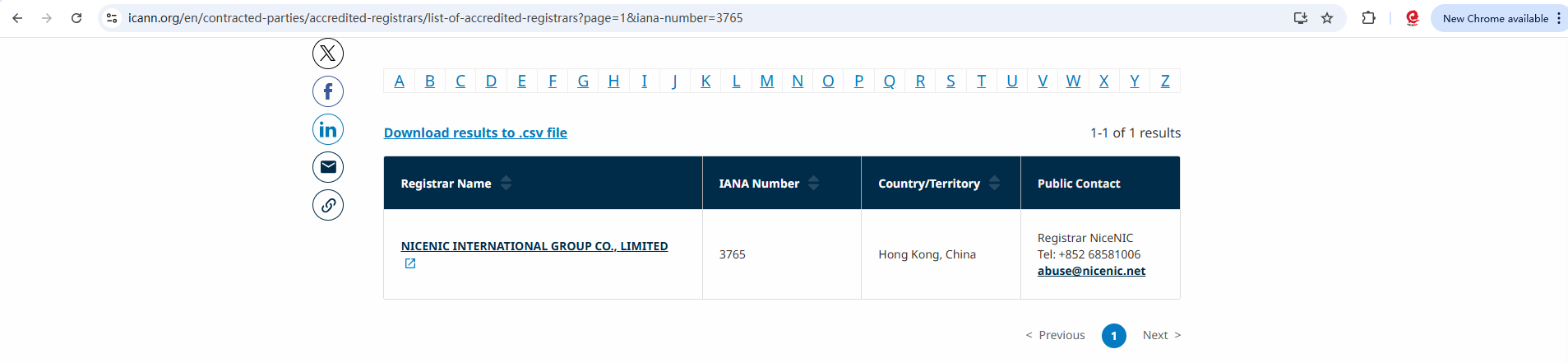
In contrast, Nicenic operates as an infrastructure-grade registrar, offering:
-
Clear domain status visibility
-
ICANN-compliant processes
-
Stable, predictable renewals
-
Centralized control suitable for agency portfolios
How Web Designers Can Turn Domain Strategy into Client Value
By educating clients on domain SEO fundamentals, agencies can:
-
Prevent costly mistakes like accidental expiration
-
Improve long-term search visibility
-
Build trust through technical transparency
-
Position themselves as strategic partners rather than just designers
Conclusion
Domains are not just branding decisions. They are SEO infrastructure. Search engines evaluate domain quality, stability, and management as part of their ranking systems, and poor domain choices can undermine even the best-designed websites.
Web design agencies that follow domain SEO best practices:
-
Improve search visibility
-
Enhance user trust and engagement
-
Protect long-term rankings
-
Differentiate their services in a crowded market
With Nicenic, agencies gain a registrar partner designed for professional, SEO-sensitive workflows—providing the transparency, stability, and control needed to support modern search performance.
In an era where SEO is increasingly about trust and continuity, the domain is where it all begins.
Lajmet e Ardhshme: How Website Building Companies Can Use Domain Analytics to Improve Website Performance