


In 2025, SSL security is essential for online trust and search engine ranking. With rising concerns over data security, SSL certificates have transitioned from being optional to a vital necessity for websites aiming to protect user data and enhance credibility.
An SSL certificate ensures a website uses HTTPS encryption, signaling to users and search engines that a site is secure and trustworthy. As personal and financial data flow through websites, SSL encryption protects sensitive information, preventing unauthorized access or tampering during transmission. The presence of a padlock icon and HTTPS in the browser’s address bar has become a standard trust indicator.
How SSL Encryption Safeguards Data
SSL technology encrypts data exchanged between the user’s browser and the website’s server. This secure connection is achieved through a pair of cryptographic keys—one public and one private. The public key starts the encrypted session, and the private key verifies the server’s authenticity. This process ensures that the information remains confidential and unaltered, instilling confidence in website visitors.
Types of SSL Certificates
-
Domain Validation SSL: Basic security for small businesses and personal sites.
-
Organization Validation SSL: Verifies business identity and helps build user trust.
-
Extended Validation SSL: The highest level of security, used by financial institutions and government platforms.
-
Wildcard SSL: Secures a main domain and its subdomains under a single certificate.
-
Multi-Domain SSL: Ideal for websites managing multiple domains.
-
Code Signing Certificates: Ensures downloadable software remains untampered and trustworthy.
Why SSL Is Critical in 2025
With growing cyber threats, SSL has become a cornerstone of data protection. Google prioritizes secure sites, and non-HTTPS pages face security warnings that can lower user trust and hurt SEO performance. SSL encryption also helps ensure compliance with global standards like PCI DSS, GDPR, and HIPAA for websites processing payments or handling sensitive data.
Installing and Maintaining SSL Certificates
Installing SSL begins with generating a Certificate Signing Request (CSR) from the hosting control panel, selecting the appropriate certificate, and completing the installation once validated by a certificate authority. To maintain continuous protection, SSL certificates must be regularly renewed to avoid browser warnings and potential drops in site traffic and rankings.
Advanced SSL Features for Modern Websites
For websites with more complex security needs, advanced features like certificate pinning, multi-domain support, and integration with HTTP2 can enhance both security and user experience. SSL also improves loading speed and Core Web Vitals, which directly impact SEO rankings and user retention.
Strengthening Security with NiceNIC
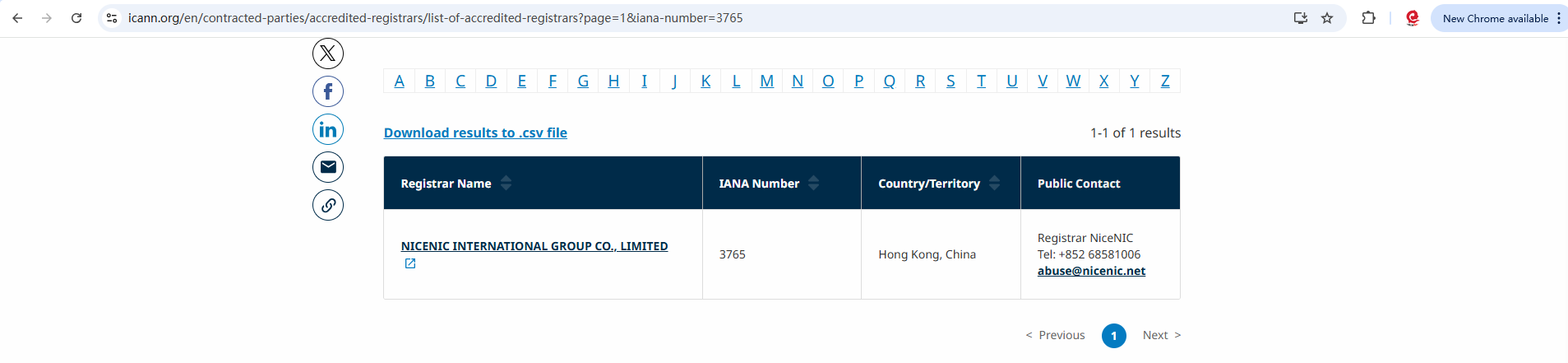
NiceNIC, an ICANN accredited registrar, offers SSL solutions backed by secure DNS management, privacy tools, and domain-level protection. With competitive pricing and round-the-clock support, NiceNIC ensures reliable security for domains, DNS settings, and web assets—all manageable through a single account.
SSL as the Foundation of Online Trust
In 2025, SSL encryption is not just a security feature; it’s a fundamental element of online trust and search engine performance. Websites that prioritize SSL encryption are better positioned to earn user trust, maintain high search rankings, and provide a secure and engaging digital experience. With SSL, businesses can protect their online identity and enhance their digital presence in an increasingly competitive marketplace.
K?vetkez? hírek: Why SSL Security Is Still a Core Requirement for Websites in 2025