

Брой посещения:667
Време:2026-02-06 11:57:24 Автор: NiceNIC 
In today's digital ecosystem, understanding how a domain performs isn't guesswork. It's data science. Domain analytics provide actionable insights into website traffic, user behavior, and conversion outcomes, empowering website building companies to make evidence-driven improvements rather than relying on intuition alone. Industry analytics standards from sources like Google Analytics and domain performance guidelines confirm that traffic patterns, bounce rates, session behavior, and conversion metrics are core indicators of performance and user engagement.
By integrating domain analytics into your development and optimization workflows, and pairing them with robust domain infrastructure provided by Nicenic, your agency can deliver not only beautiful websites but measurable outcomes that increase client satisfaction and long-term success.
Why Domain Analytics Matter
Understand Traffic and Visitor Behavior
Domain analytics track essential performance metrics such as:
- Traffic volume and sources — where visitors come from and how many arrive over time
- Bounce rates — the percentage of users who leave after viewing only one page
- Session duration and pages per session — engagement indicators that show whether users find the content valuable
High bounce rates or short session durations often signal UX issues, mismatched content, or technical problems like slow page load times. These insights help your team identify areas where improvements will have the greatest impact.
Using Analytics to Improve Website Performance
1. Enhancing Content and UX Based on Engagement Metrics
Bounce rate and session duration offer clues about user experience:
A high bounce rate may indicate that visitors aren't finding relevant content or that interactions are frustratingly brief
Average session duration correlates with content depth and navigability
By analyzing these metrics with tools like Google Analytics and domain dashboards, agencies can adjust layout, navigation, and content structure to match user expectations — a data-driven approach to design improvement.
2. Refining SEO Strategies with Traffic Source Data
Understanding where visitors originate, whether from organic search, paid campaigns, social media, or referrals allows your agency to prioritize SEO and marketing efforts:
- Organic search traffic trends indicate whether keywords and content align with search intent
- Direct and referral traffic reveal brand recognition and partnership effectiveness
This level of insight supports targeted improvements that drive long-term visibility and performance.
3. Driving Conversions Through Analytics Insights
Analytics tools also track conversion rates — the percentage of users who complete goals such as form submissions, signups, or purchases. Combined with domain data, conversion insights reveal:
- Which pages lead to conversions
- Which traffic sources are most effective
- Where visitors drop out of conversion funnels
Conversion insights help refine both design and marketing. For example, a checkout page with high traffic but low conversions may benefit from layout or UX adjustments.
Role of Domain Analytics in Ongoing Website Optimization
Performance as a Continuous Process
Domain analytics aren't a one-time checkpoint; they are a continuous feedback loop. Regularly monitoring trends in key metrics helps detect issues early:
- Sudden drops in traffic might indicate security problems or ranking loss
- Rising bounce rates may signal outdated content structure
- Emerging traffic sources can point to new opportunities
By embedding domain analytics into your support services, your agency becomes not just a builder but a trusted strategic partner in long-term site performance.
Why Nicenic Amplifies the Value of Domain Analytics
Professional Registrar Infrastructure Enhances Data Reliability
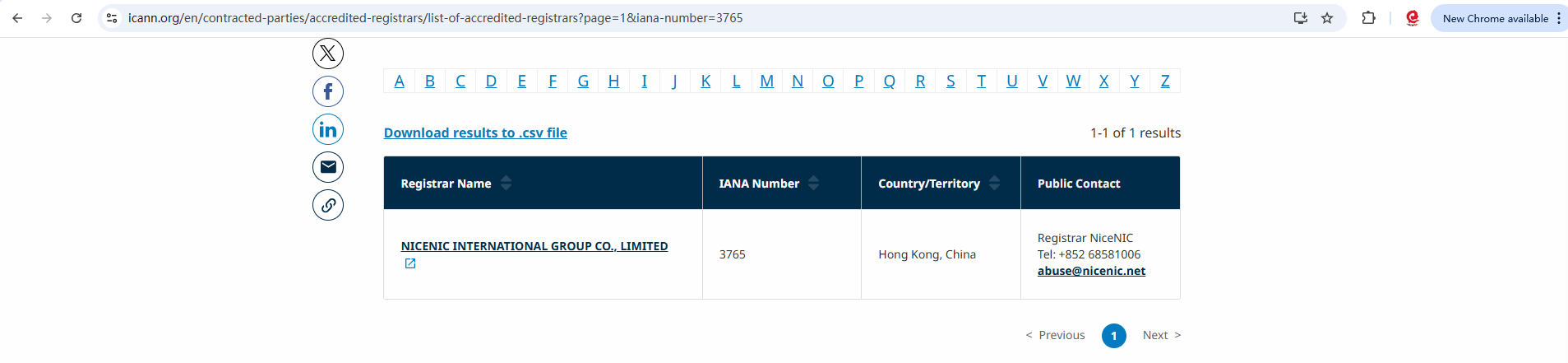
Platforms like GoDaddy and Namecheap are consumer-oriented and can fragment domain visibility or complicate DNS and analytics integrations. Nicenic, as an ICANN-accredited registrar built for professional partners, offers:
- Transparent domain status data that integrates cleanly with analytics and webmaster tools
- Consistent DNS and WHOIS practices that reduce false positives in performance tracking
- Centralized domain lifecycle insights that support long-term domain health metrics
This professional registrar infrastructure ensures that analytics represent true performance signals and are not skewed by registrar-level interruptions or misconfigurations.
SEO and Analytics Synergy
Search engines like Google reward domains that combine security, performance, and user relevance. Domains with:
- Stable DNS configurations
- Secure SSL implementations
- Consistent traffic growth
- High engagement metrics
…are more likely to maintain and improve search rankings over time. Analytics tools help measure these signals, while Nicenic's infrastructure ensures domain continuity and technical integrity — a powerful combination for SEO success.
How to Start Using Domain Analytics Today
Integrate Analytics Tools from Project Kick-off
Set up Google Analytics, Search Console, and domain performance dashboards during site launch.
Define KPIs with Clients
Identify meaningful goals such as organic traffic growth, engagement improvements, and conversion outcomes.
Regularly Review and Report Metrics
Monthly performance reports help demonstrate value and justify ongoing optimization services.
Optimize Based on Data, Not Assumptions
Use analytics to pinpoint issues and opportunities instead of relying on guesswork.
Conclusion
Domain analytics are an essential component of modern website strategy. They allow website building companies to:
- Make data-driven decisions
- Improve user experience and engagement
- Enhance SEO and traffic performance
- Demonstrate measurable value to clients
With a professional registrar partner like Nicenic, agencies gain reliable domain infrastructure that fortifies analytics accuracy and supports long-term optimization strategies. In a marketplace where data and performance drive client expectations, integrating domain analytics into your service offering is a powerful differentiator that elevates both trust and tangible results.
СВЪРЗАНИ НОВИНИ:
Последни новини:
Leveraging Domains for SEO: Best Practices for Web Designers
Следващи новини: How IT Service Providers Can Use SSL Certificates to Enhance Client Website Security
Следващи новини: How IT Service Providers Can Use SSL Certificates to Enhance Client Website Security