


If you’ve received a WHOIS data verification email and ignored it because your website still works, you’re not alone. Many domain owners assume these messages are optional or even spam. They are not absolutely.
This article explains what WHOIS data verification is, why you receive these reminders, and what actually happens if you do nothing—so you can avoid unexpected domain suspension, service disruption, and unnecessary support requests.
Why Am I Receiving WHOIS Data Verification Emails?
You may receive a WHOIS verification request when:
-
You change registrant contact details (especially the email address)
-
A periodic reminder is sent under ICANN’s Whois Data Reminder Policy (WDRP)
No.WHOIS data verification is a mandatory compliance requirement, not a marketing message or optional confirmation.
If the registrant email address is not verified within the required timeframe, registrars are obligated to take action—even if your website appears to be working normally.
1. Your Domain Can Be Suspended
If verification is not completed within the allowed period (commonly up to 15 days, depending on the trigger), the registrar must suspend the domain.
When a domain is suspended:
-
Your website may stop loading
-
Email services using the domain may stop working
-
Visitors may see a suspension notice instead of your site
This suspension is a policy requirement, not a discretionary action by the registrar.
This often surprises users who try to "move the domain elsewhere" to fix the issue.
3. Website and Email Disruption Can Occur Without Warning
WHOIS suspension affects the domain itself, not just the registration record.
As a result:
-
Websites may go offline
-
Business email accounts tied to the domain may fail
-
Automated systems depending on the domain can break
These disruptions often lead to urgent support requests that could have been avoided with timely verification.
If WHOIS contact information is inaccurate or unreachable:
-
Ownership verification becomes harder in disputes
-
Recovery from unauthorized access or hijacking may be delayed
-
Critical notices may never reach the rightful domain owner
Keeping WHOIS data verified helps registrars protect you when something goes wrong.
Common Situations That Trigger WHOIS Verification
Most new registrations require email verification shortly after purchase.
Changes to Registrant Information
Updating the registrant’s email address almost always triggers a new verification request.
Periodic Accuracy Reminders
Even without changes, ICANN requires registrars to remind domain owners to review WHOIS accuracy from time to time.
How to Respond to WHOIS Verification Requests Safely
1. Log in to your registrar account directly (do not rely only on email links)
2. Check for pending WHOIS verification alerts
3. Resend the verification email if needed
4. Complete verification as instructed
5. Allow some time for status updates to take effect
6. If your domain has already been suspended, completing verification usually restores normal service after processing.
How to Avoid WHOIS Verification Issues in the Future
Use a stable, actively monitored email address for registrant contact.
Avoid temporary or rarely checked inboxes.
Complete verification immediately after updating WHOIS data.
Review domain notifications regularly.
Key Takeaway
Ignoring WHOIS data verification reminders can lead to domain suspension, service disruption, and management restrictions even if everything seems fine at first.
Timely verification keeps your domain compliant, accessible, and easier to protect.
A Trusted Partner for Compliant Domain Management
Accurate WHOIS data is a fundamental part of responsible domain ownership and global internet stability.
As an ICANN-accredited registrar, nicenic follows established compliance standards to help domain owners stay informed, protected, and uninterrupted.
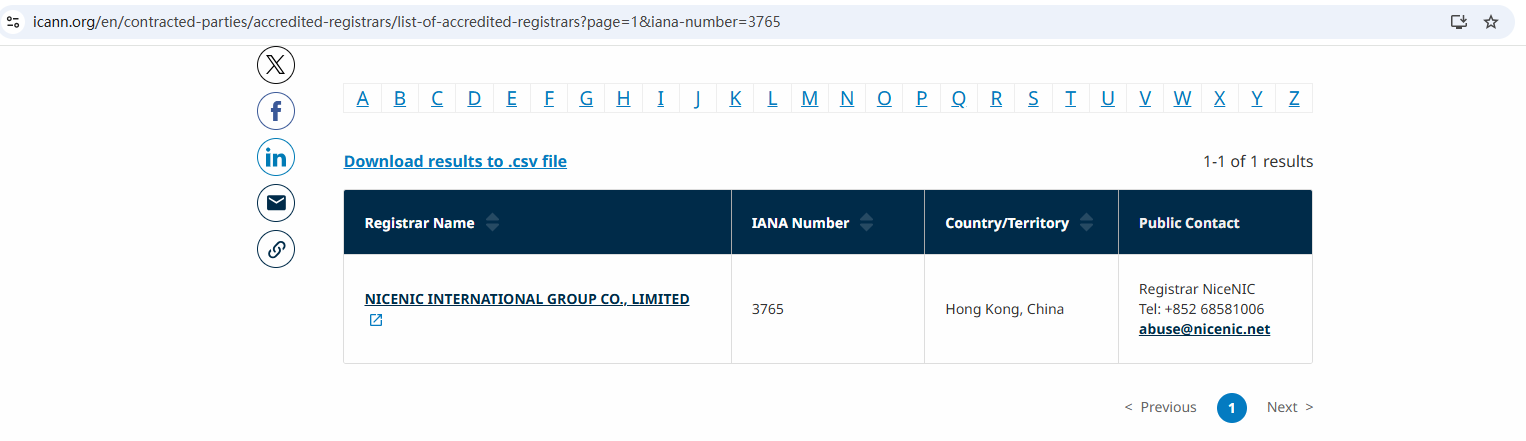
Nicenic stands as that trusted partner for brands, developers, entrepreneurs, and businesses worldwide.
Tin ti?p theo: What Is a CAA Record and Why It Is Crucial for SSL Certificates