
L??t xem:431
Th?i gian:2026-02-11 10:59:38 Tác gi?: NiceNIC 
For web development agencies, domain security is no longer a secondary concern. Industry incident reports from ICANN-contracted parties, registry operators, and global cybersecurity firms consistently show that domain hijacking is one of the fastest ways to completely take a website offline, damage brand trust, and erase years of SEO value overnight. Unlike server breaches, domain hijacking often happens silently and recovery can take days or weeks.
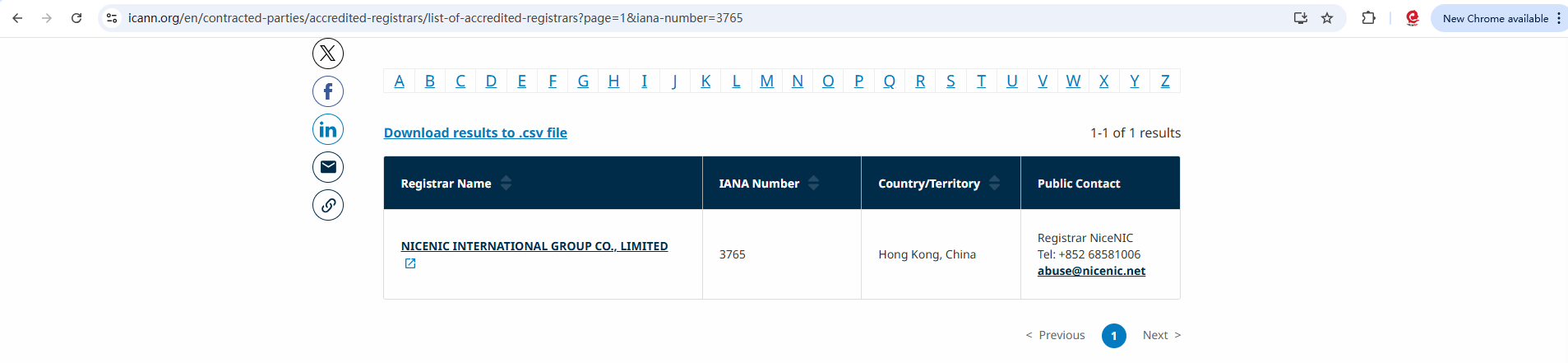
This is exactly where a registrar-level security strategy matters. When web development agencies work with an infrastructure-focused registrar such as Nicenic, domain protection becomes a controllable part of the development and delivery process, not an external risk left to consumer-grade platforms like GoDaddy or Namecheap.
Why Domain Hijacking Is a Growing Risk
Domain hijacking occurs when an attacker gains unauthorized control of a domain by:
- Accessing the registrar account
- Manipulating DNS records
- Exploiting weak authentication or outdated WHOIS data
- Abusing social engineering during transfer or recovery processes
ICANN security advisories and registry incident analyses show that most hijacking cases originate at the registrar account level, not the hosting server. Once control is lost, attackers can:
- Redirect traffic to malicious sites
- Intercept email and reset credentials
- Inject phishing or malware campaigns
- Permanently damage SEO trust signals
For web development agencies, this means a single compromised domain can undo months or years of design, development, and optimization work.
Why Web Development Agencies Are in a Unique Position
Clients often rely on their web developers to:
- Register domains
- Configure DNS
- Manage ongoing technical changes
This places agencies in a position of responsibility. Evidence from managed service studies shows that clients expect agencies to anticipate infrastructure risks, not merely respond after damage occurs. Domain security is therefore a natural extension of professional web development services.
Security Measure 1: Enforcing Strong Account Protection with 2FA
Why 2FA Is Non-Negotiable
Security research from authentication providers confirms that two-factor authentication blocks the vast majority of account takeover attempts, even when passwords are compromised.
For domain accounts, 2FA prevents:
- Unauthorized DNS changes
- Transfer code abuse
- Malicious contact detail updates
Web development agencies should ensure that all domain management accounts use enforced 2FA, not optional settings.
How Nicenic Supports This
Nicenic operates with registrar-grade access controls designed for professional environments. Agencies benefit from:
- Account-level security enforcement
- Clear permission separation for teams
- Reduced exposure to credential-based attacks
This level of control is difficult to achieve with mass-market registrars built for individual users.
Security Measure 2: Controlling WHOIS Data and Authorization
WHOIS Is a Security Surface
Public and inaccurate WHOIS data is one of the most common entry points for hijacking attempts. Attackers use exposed contact details to:
- Perform social engineering
- Request unauthorized changes
- Exploit weak verification processes
ICANN compliance guidance emphasizes that accurate, well-managed WHOIS data is essential for both security and trust.
Agency Best Practices
Web development agencies should:
- Ensure WHOIS data is accurate and up to date
- Apply privacy protection where appropriate
- Limit the number of authorized contacts
- Maintain clear records of domain ownership and responsibility
This reduces ambiguity during disputes and prevents unauthorized escalation.
Security Measure 3: Registrar-Level Change Control
Not all registrars treat domain changes equally. Evidence from registry operators shows that registrars with weak internal controls are more vulnerable to hijacking-related abuse complaints and reversals.
Professional agencies should work with registrars that provide:
- Clear domain status visibility
- Predictable transfer and update processes
- Registrar-level safeguards aligned with ICANN policies
Nicenic is designed around infrastructure stability and compliance, ensuring that changes to domains are deliberate, traceable, and properly authorized.
Why Registrar Choice Matters More Than Ever
GoDaddy and Namecheap are optimized for scale and consumer convenience. They are not built for:
- Multi-client agency workflows
- Long-term domain lifecycle management
- Security-first operational models
Nicenic positions itself differently:
- Infrastructure-focused registrar model
- Trusted by resellers, developers, and IT providers
- Designed to reduce operational and security risk rather than maximize upsells
This alignment makes domain protection a structural advantage, not a reactive task.
How Domain Security Protects SEO and Brand Trust
Search engines rely on consistency and trust signals. Hijacked domains often lead to:
- Sudden indexing drops
- Manual security warnings
- Long-term ranking suppression
Recovering SEO authority after a hijacking incident is significantly harder than preventing the incident in the first place. By securing domains at the registrar level, agencies protect:
- Search visibility
- Email deliverability
- User trust and conversion rates
Conclusion
Domain hijacking is not a rare edge case. It is a systemic risk tied directly to registrar security practices. Web development agencies that treat domains as critical infrastructure, rather than administrative details, deliver stronger outcomes for clients.
By:
- Enforcing 2FA
- Managing WHOIS data responsibly
- Choosing an infrastructure-grade registrar like Nicenic
Agencies gain control over one of the most vulnerable layers of the web stack. This approach not only prevents catastrophic failures but also positions the agency as a trusted long-term partner, not just a project-based vendor.
In modern web development, secure domains are the foundation of everything else.
TIN LIêN QUAN:
Tin tr??c:
What Is a .top Domain and Why Should You Consider it?
Tin ti?p theo: What Is .net? Everything You Need To Know About .net Domains
Tin ti?p theo: What Is .net? Everything You Need To Know About .net Domains