


?????????:132
????:2026-05-13 15:10:50 ????????: NiceNIC 
The 2026 New gTLD Round is one of the most important domain industry developments in more than a decade. It gives eligible organizations a new opportunity to apply for their own generic top-level domains, while also opening a larger conversation about brand protection, domain registration, reseller strategy, and the future structure of the Internet namespace.
For most businesses and domain buyers, the key point is simple: the 2026 New gTLD Round is not only about who applies to run a new registry. It is also about which new domain extensions may later become available through registrars, how users will understand them, and how brands should prepare before the next wave of domain choices reaches the market.
NiceNIC, as an ICANN-accredited registrar, views this round from the registrar side: how future domain extensions may affect registrants, resellers, agencies, brand owners, and global users who need secure and reliable domain management.
What Is the 2026 New gTLD Round?
A generic top-level domain, or gTLD, is the part of a domain name that appears after the final dot. Common examples include .com, .net, and .org. New gTLDs may include brand names, industry terms, community identifiers, geographic terms, or other approved strings.
The 2026 New gTLD Round allows eligible applicants to apply to operate new gTLDs. A successful applicant does not simply buy a domain name. It applies to operate a registry, which is the organization responsible for managing registrations under that top-level domain.
That difference matters.
A registry operates the extension.
A registrar sells and manages second-level domain names under available extensions.
A registrant is the person or organization that registers a domain name.
For example, if a future extension were approved and later made available for public registration, users would usually register names under that extension through accredited registrars and approved reseller channels.
Why This Matters Beyond Registry Applicants
Many public discussions around new gTLDs focus on applicants, application fees, and registry operations. Those are important, but they are not the whole story. The long-term impact is broader.
New gTLDs can influence:
For brand owners, the issue is not only whether to apply for a dotBrand. It is also whether similar strings, industry terms, or geographic identifiers could affect customer trust in the future.
For domain resellers, the issue is whether new extensions will create future demand, new customer education needs, and new registration opportunities.
For ordinary users, the issue is whether more domain choices will make it easier to find a clear, memorable, and trusted online identity.
A Registrar's View: More Choice Requires More Education
More domain extensions can create opportunity. They can also create c
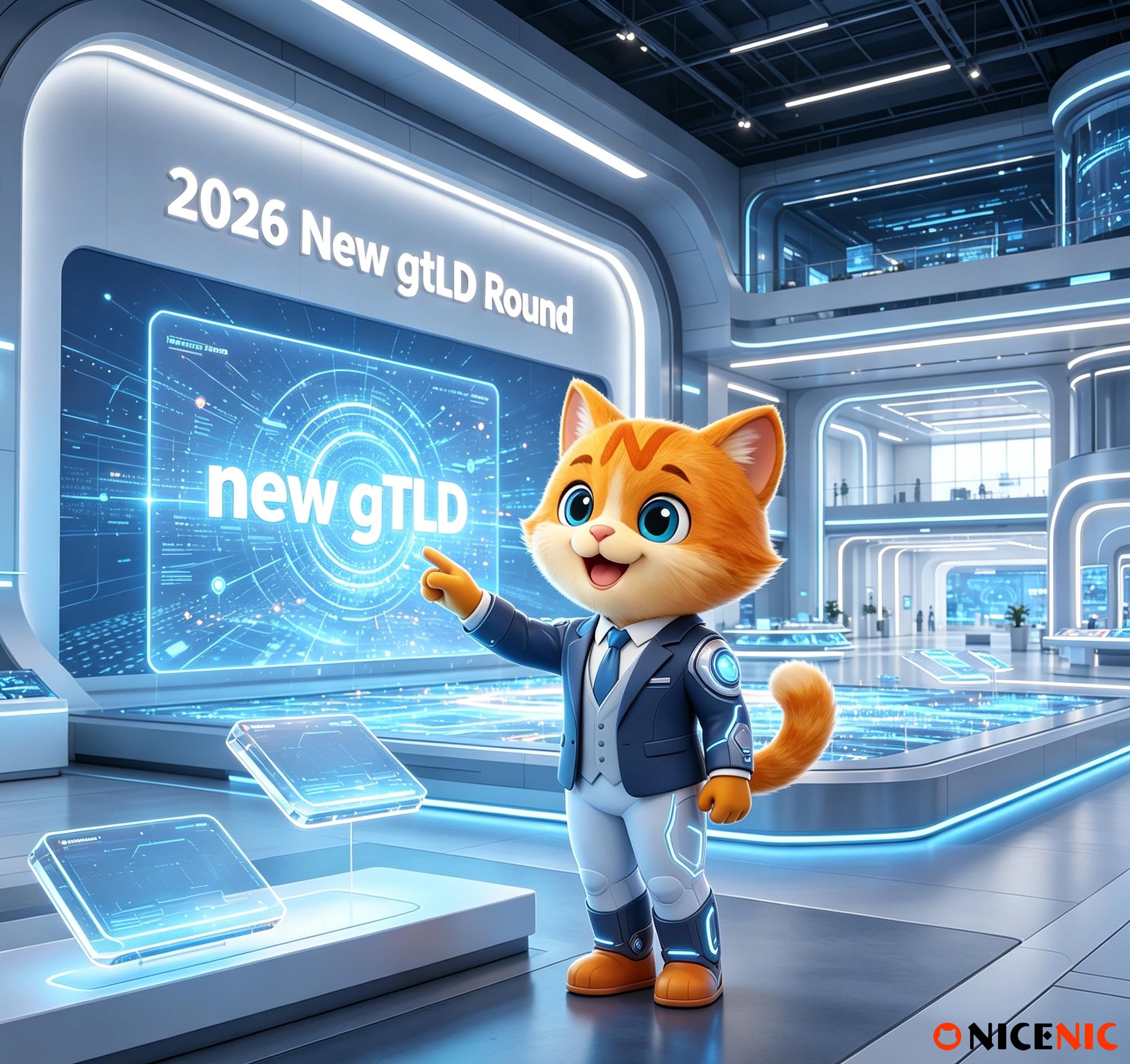
For most businesses and domain buyers, the key point is simple: the 2026 New gTLD Round is not only about who applies to run a new registry. It is also about which new domain extensions may later become available through registrars, how users will understand them, and how brands should prepare before the next wave of domain choices reaches the market.
NiceNIC, as an ICANN-accredited registrar, views this round from the registrar side: how future domain extensions may affect registrants, resellers, agencies, brand owners, and global users who need secure and reliable domain management.
What Is the 2026 New gTLD Round?
A generic top-level domain, or gTLD, is the part of a domain name that appears after the final dot. Common examples include .com, .net, and .org. New gTLDs may include brand names, industry terms, community identifiers, geographic terms, or other approved strings.
The 2026 New gTLD Round allows eligible applicants to apply to operate new gTLDs. A successful applicant does not simply buy a domain name. It applies to operate a registry, which is the organization responsible for managing registrations under that top-level domain.
That difference matters.
A registry operates the extension.
A registrar sells and manages second-level domain names under available extensions.
A registrant is the person or organization that registers a domain name.
For example, if a future extension were approved and later made available for public registration, users would usually register names under that extension through accredited registrars and approved reseller channels.
Why This Matters Beyond Registry Applicants
Many public discussions around new gTLDs focus on applicants, application fees, and registry operations. Those are important, but they are not the whole story. The long-term impact is broader.
New gTLDs can influence:
- how companies protect their brands online
- how resellers prepare future domain offerings
- how agencies advise clients on naming strategy
- how investors evaluate future domain demand
- how end users choose more relevant web addresses
- how registrars educate users about trust, rules, and domain management
For brand owners, the issue is not only whether to apply for a dotBrand. It is also whether similar strings, industry terms, or geographic identifiers could affect customer trust in the future.
For domain resellers, the issue is whether new extensions will create future demand, new customer education needs, and new registration opportunities.
For ordinary users, the issue is whether more domain choices will make it easier to find a clear, memorable, and trusted online identity.
A Registrar's View: More Choice Requires More Education
More domain extensions can create opportunity. They can also create c