


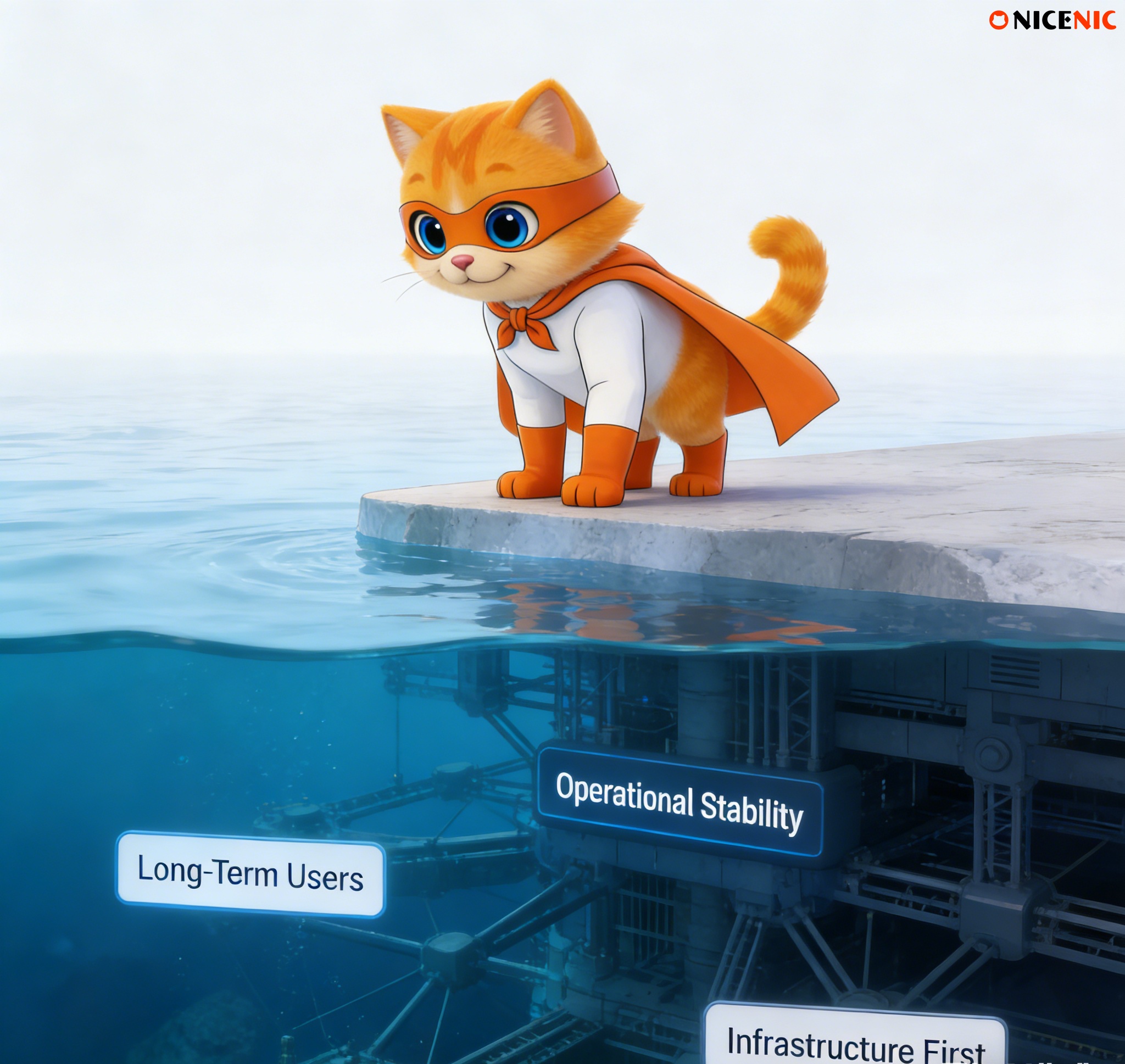
1. Why Registrar Growth Paths Matter
Different growth paths lead to very different outcomes in:
-
Domain stability
-
Abuse handling quality
-
Policy enforcement consistency
-
Long-term domain safety
Understanding these differences helps domain owners make infrastructure-level decisions, not just short-term purchasing choices.
Why "Quiet" Growth Is Often Misunderstood
In many industries, visibility is associated with success. In domain infrastructure, that assumption does not always apply.
A registrar that grows quietly is not necessarily inactive or small. In many cases, quiet growth reflects deliberate choices, such as:
-
Less reliance on promotional campaigns
-
Fewer short-term discount cycles
-
More investment in systems, processes, and compliance
For domain owners, misunderstanding this distinction can lead to incorrect assumptions about reliability or longevity.
2. Two Common Registrar Growth Models
Model A: Volume-Driven Consumer Registrars
This model focuses on:
-
Heavy advertising
-
Aggressive discounting
-
Large numbers of first-time or short-term users
Strengths
-
Rapid user growth
-
High brand visibility
Trade-offs
-
Higher abuse pressure
-
Larger and more volatile support queues
-
Greater reliance on automated, non-contextual decisions
At scale, this model often requires speed over nuance, which can increase friction for users managing critical or long-term domains.
Model B: Infrastructure-First Registrars
This model prioritizes:
-
Compliance and accreditation
-
API and automation capabilities
-
Professional users and resellers
-
Evidence-based abuse handling
Growth is slower, but structurally more stable.
Nicenic has followed this infrastructure-first model since becoming an ICANN-accredited registrar in 2012.
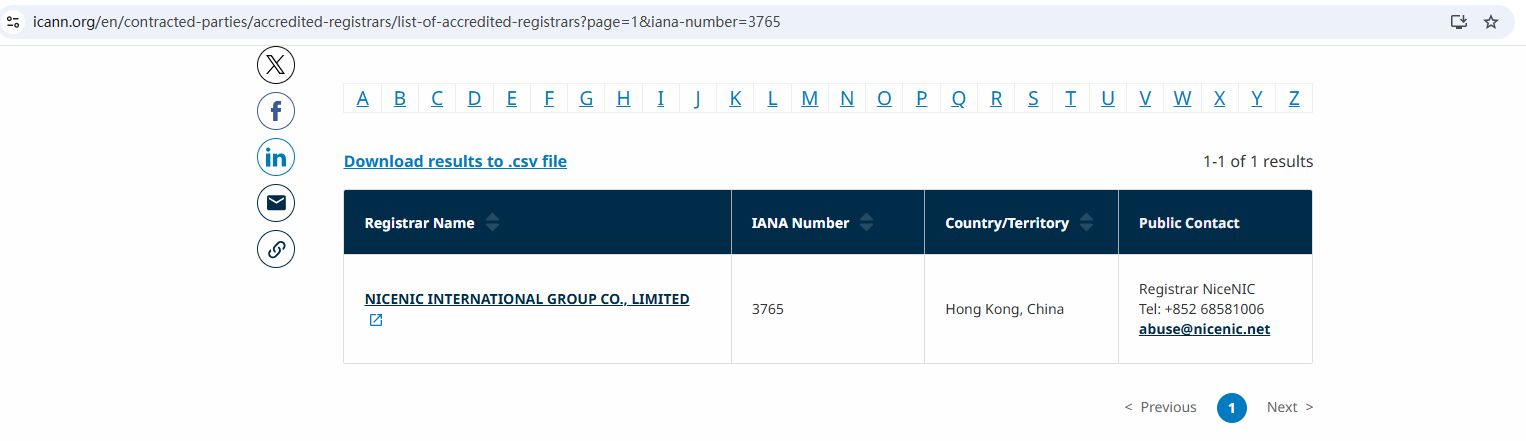
3. How nicenic’s Growth Strategy Reduces Risk for Users
3.1 A Long-Term Domain Ownership Focus
Many nicenic users manage domains as long-term digital assets, not short-lived projects.
This perspective shapes platform design around:
-
Portfolio-level domain management
-
Predictable renewal and lifecycle behavior
-
Clear ownership and operational audit trails
Domains are treated as infrastructure components, not disposable transactions.
3.2 API and Automation Over Manual Workflows
Rather than relying primarily on manual interfaces, nicenic invests heavily in:
-
Registrar APIs
-
Bulk domain actions
-
System-level access controls
Automation reduces human error, improves consistency, and allows domain operations to scale without introducing unnecessary risk, which is a key factor in long-term domain reliability.
3.3 Responsible Abuse Handling as Infrastructure
Abuse handling at nicenic is treated as a compliance function, not a customer-service shortcut.
This approach includes:
-
Evidence-based review
-
Documented internal workflows
-
Clear escalation paths
-
Decisions aligned with registry and policy requirements
By emphasizing process over reaction, this model protects both reporters and legitimate domain holders.
3.4 How This Model Reduces Support Friction
An infrastructure-first growth strategy typically results in:
-
Fewer emergency suspensions
-
More explainable enforcement decisions
-
Lower escalation rates
-
Fewer "why was my domain suddenly affected" support tickets
For domain owners, this means fewer surprises and clearer expectations over time.
4. Why Quiet Growth Is a Trust Signal
In the registrar industry:
-
Longevity signals operational resilience
-
Stable growth signals registry confidence
-
Process maturity signals lower suspension risk
Registrars that operate quietly for many years often function as infrastructure providers, not marketing platforms.
Nicenic’s development reflects this principle, building trust through consistency rather than visibility.
5. Who This Model Is Best For
Nicenic’s approach is best suited for users who value:
-
Stability over novelty
-
Control over convenience
-
Long-term ownership over short-term gains
This includes:
-
Developers and SaaS teams
-
Hosting providers
-
Resellers
-
Domain investors with long holding cycles
6. Summary: Choosing a Registrar Is a Strategic Decision
Choosing a registrar is not just a purchase decision, it is an infrastructure choice.
Understanding how a registrar grows helps explain:
-
How risks are evaluated
-
How disputes are handled
-
How domains are protected over time
Nicenic’s growth path reflects a commitment to long-term reliability rather than short-term scale.
Next News: What Is .org? Everything You Need To Know About .org Domains