


In 2025, SSL security has become a fundamental pillar of online trust, website credibility, and search engine visibility. As users grow more aware of data privacy and digital risks, they make rapid judgments about whether a website is safe enough to browse, register, or complete a transaction. For modern websites, SSL certificates are no longer optional enhancements. They are a baseline requirement for protecting user data and maintaining competitive search performance.
An SSL certificate confirms that a website uses HTTPS encryption and that the domain is authenticated. For both users and search engines, HTTPS has become a clear signal of legitimacy. As personal information, login credentials, and payment details move through digital platforms every second, SSL encryption plays a critical role in preventing interception, manipulation, or unauthorized access. The padlock icon and HTTPS prefix in the browser address bar now function as universal trust indicators that directly influence user behavior.
How SSL Encryption Protects Website Data
SSL encryption secures the connection between a visitor’s browser and the web server hosting the site. This protection relies on a cryptographic process that uses a public key to initiate an encrypted session and a private key to verify the server’s identity. Once the secure connection is established, all transmitted data is encrypted, ensuring confidentiality and integrity throughout the session.
This secure handshake prevents third parties from reading or altering sensitive information during transmission. As a result, users feel more confident submitting forms, creating accounts, and completing payments on websites protected by SSL certificates.
Common Types of SSL Certificates
Different websites require different levels of verification and protection, which is why multiple SSL certificate types exist.
Domain Validation SSL provides basic encryption and is commonly used for personal websites, blogs, and small business sites.
Organization Validation SSL verifies business information in addition to the domain, helping users confirm that a legitimate organization operates the website.
Extended Validation SSL offers the highest level of identity verification and is widely used by financial institutions, government platforms, and large enterprises that handle sensitive transactions.
Wildcard SSL secures a primary domain along with all of its subdomains under a single certificate.
Multi Domain SSL is designed for organizations managing multiple websites or domain names within one infrastructure.
Code Signing Certificates verify the authenticity and integrity of downloadable software, ensuring files have not been altered and originate from a trusted source.
Why SSL Security Matters More Than Ever in 2025
Cyber threats continue to evolve, targeting both users and businesses through increasingly sophisticated methods. SSL encryption helps protect against data theft, session hijacking, and man in the middle attacks, making it a core component of modern website security.
From an SEO perspective, SSL directly influences search performance. Google prioritizes secure websites and actively warns users when they visit non HTTPS pages. These warnings reduce trust, increase bounce rates, and negatively affect conversion rates. For websites processing payments or collecting sensitive information, SSL encryption is also essential for meeting compliance requirements such as PCI DSS, GDPR, and HIPAA.
Websites that fail to implement SSL not only risk losing user trust but also face reduced visibility in search engine results.
Installing and Maintaining SSL Certificates
The SSL setup process begins by generating a Certificate Signing Request through a hosting control panel. After selecting the appropriate SSL certificate type, the request is validated by a trusted certificate authority. Once approved, the SSL certificate is installed and HTTPS encryption becomes active across the site.
Ongoing maintenance is just as important as initial installation. SSL certificates must be renewed before expiration to avoid browser security warnings that can immediately impact traffic and search rankings. Automated renewal and monitoring services help ensure uninterrupted protection without manual intervention.
Advanced SSL Capabilities for Modern Websites
Websites with higher security requirements can benefit from advanced SSL features. Certificate pinning helps prevent forged certificates. Multi Domain SSL simplifies management for growing businesses with multiple online properties. When combined with HTTP2, SSL can also improve page loading speed and Core Web Vitals, enhancing both user experience and SEO performance.
Proper configuration of root and intermediate certificates ensures consistent trust recognition across all major browsers and devices.
Today, SSL contributes not only to encryption but also to website performance, search visibility, and long term user confidence.
Strengthening Website Security with NiceNIC
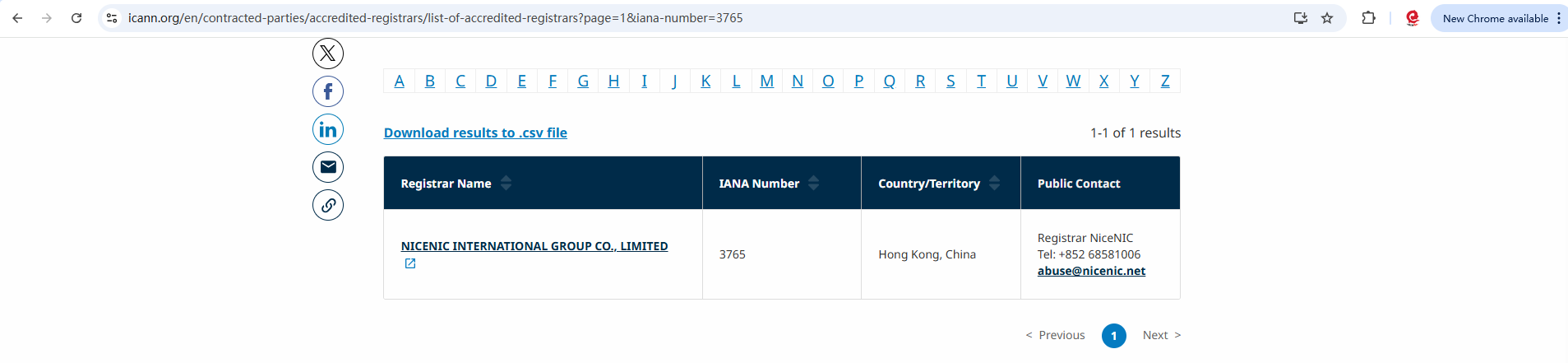
SSL protection is most effective when supported by a broader security framework. NiceNIC, an ICANN accredited registrar, provides SSL solutions alongside secure DNS management, privacy services, and domain level protection. These tools work together to safeguard domains and web assets throughout their lifecycle.
With centralized management, users can control domains, DNS settings, and SSL certificates from a single account. Competitive pricing and continuous technical support make it easier for businesses to maintain strong security without operational complexity.
SSL as the Foundation of Online Trust and Visibility
In 2025, SSL encryption defines how users perceive a website and how search engines evaluate it. Secure websites earn higher trust, maintain better engagement, and achieve stronger long term search performance.
By prioritizing SSL security, website owners protect their users, strengthen their digital reputation, and create a safer environment for growth in an increasingly competitive online landscape.
Next News: Why SSL Security is Crucial for Your Website's Success in 2025