


Many domain-related problems do not start with technical errors. They start with expectations.
Common questions support teams hear include:
-
"Why do I need to renew a domain I already bought?"
-
"I’m not using the website, can I just let the domain sit?"
-
"If it expires, can’t I just register it again later?"
What You Actually Get When You Register a Domain
Registering a domain does not grant permanent ownership.
Instead, it provides:
-
A time-limited right to use a name
-
Under defined policies and conditions
-
With renewal required to maintain control
This design is intentional. Domains operate within a shared global system that prioritizes accountability, accuracy, and fair access.
Domains behave more like leased digital assets than physical property.
The annual renewal structure exists for practical reasons:
-
It prevents permanent hoarding of names
-
It ensures ownership information remains current
-
It allows unused names to return to the public pool
-
It keeps responsibility clearly assigned
Without renewals, the domain system would quickly become stagnant and unmanageable.
Long-term value is built through:
-
Brand recognition and user trust
-
Search engine history and signals
-
Email identity and reputation
-
Links, bookmarks, and saved references
-
Integration with systems, platforms, and APIs
As these connections accumulate, the domain becomes part of a business’s operational and reputational foundation.
Allowing a domain to expire is rarely a neutral action.
Possible consequences include:
-
Immediate website and email disruption
-
Loss of customer trust and access paths
-
Domain re-registration by third parties
-
Use for misleading or malicious purposes
-
High recovery costs, if recovery is even possible
In many cases, the cost of losing a domain far exceeds the cost of maintaining it.
-
Corporate websites and landing pages
-
Business email systems
-
Authentication and API access
-
Third-party service verification
-
Internal tools and dashboards
Letting a domain lapse can break far more than a single webpage.
As companies grow, domains are increasingly considered in:
-
Brand protection strategies
-
Intellectual property planning
-
Risk management reviews
-
Investment and acquisition due diligence
Inconsistent or careless domain management can raise concerns about operational maturity even when the business itself is healthy.
Common Misconceptions That Cause Avoidable Problems
-
"If I’m not using it, I don’t need to renew it."
-
"I can always get it back later."
-
"Domains are just technical details."
-
"Only large companies need to think long term."
In reality, intent and continuity matter more than size.
Practical Guidance for Treating Domains as Assets
For most users, responsible long-term domain management includes:
-
Viewing core domains as permanent holdings
-
Enabling renewal reminders or auto-renew
-
Keeping registrant contact details accurate
-
Avoiding unnecessary transfers or lapses
-
Reviewing domain portfolios periodically
These steps reduce risk and prevent last-minute emergencies.
A reliable registrar helps ensure:
-
Clear renewal and expiration communication
-
Policy-compliant ownership management
-
Stable access to DNS and administrative controls
-
Accurate guidance when issues arise
Final Thoughts
Domains are not disposable products. They are long-term digital assets that accumulate value, trust, and dependency over time. Treating them as one-time purchases often leads to avoidable outages, disputes, and losses.
Understanding this difference helps users make better decisions not just at registration, but throughout the life of a business.
As an ICANN-accredited registrar, Nicenic supports responsible, long-term domain ownership built on continuity, clarity, and informed management.
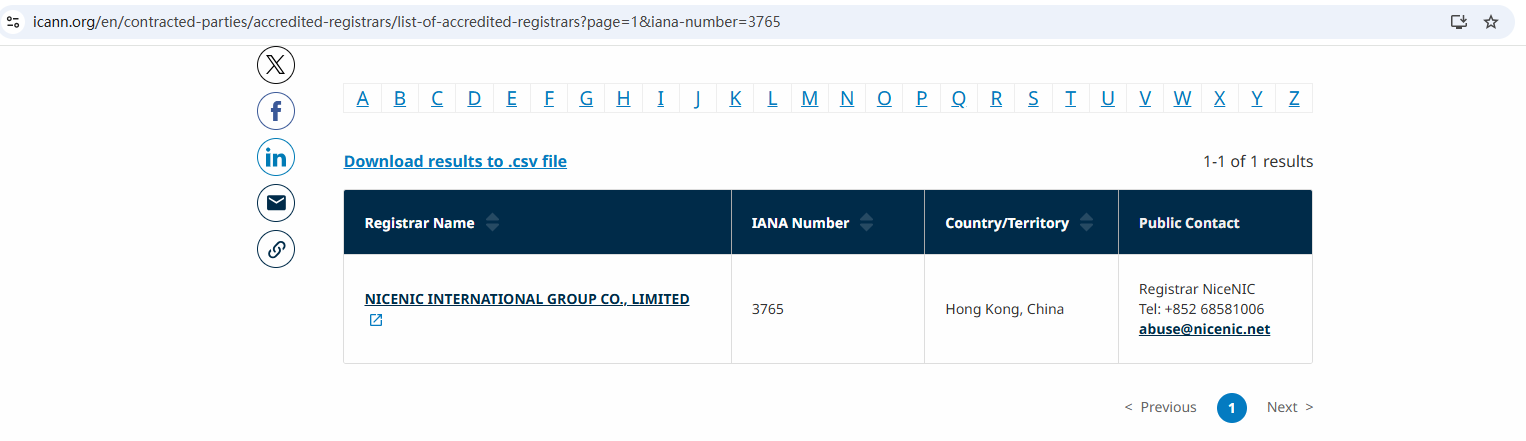
Nicenic stands as that trusted partner for brands, developers, entrepreneurs, and businesses worldwide.
Next News: What Is .me? Everything You Need To Know About .me Domains