


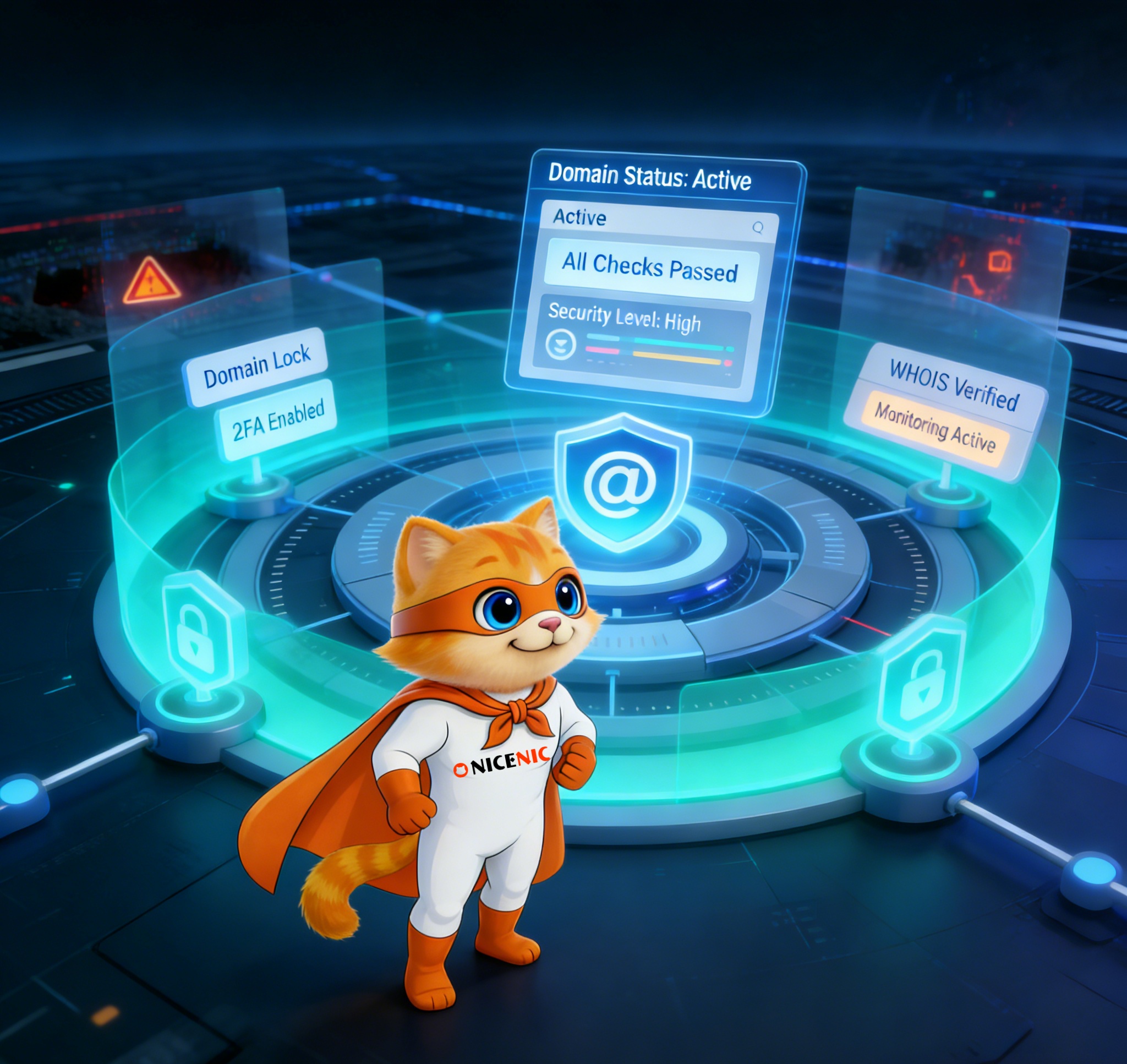
Not all domain security problems are sudden or unavoidable.
This article explains which domain security issues are highly preventable, which ones are harder to predict, and how domain owners can significantly reduce risk before problems escalate into suspensions, downtime, or emergency support situations.
Domain Security Is About Ongoing Oversight, Not Emergency Response
A common misconception among domain owners is that security issues "just happen."
In practice, most domain-related incidents:
-
Develop gradually
-
Are preceded by warning signs
-
Are linked to weak account hygiene or ignored notifications
Preventable vs. Less Predictable Domain Issues
Highly Preventable Issues (Primary Focus)
-
Account takeovers caused by weak security
-
Domain suspensions due to outdated or unverifiable registrant information
-
Accidental DNS disruptions from unplanned changes
-
Escalation caused by ignored or delayed notices
-
Registry-level enforcement actions
-
Legal or regulatory actions
Preventable Issue 1: Account Takeovers and Domain Hijacking
Why This Is Common and Avoidable
Most domain takeovers are not advanced technical attacks. They typically result from:
-
Weak or reused passwords
-
Compromised email accounts
-
Missing two-factor authentication (2FA)
-
Shared registrar credentials
Common Owner Questions
-
I didn’t authorize any changes, how did this happen?
-
Why wasn’t my domain automatically protected?
-
Enable two-factor authentication (2FA)
-
Use strong, unique passwords
-
Avoid sharing registrar accounts
-
Secure the administrative contact email
-
Enable registrar lock for all domains
Preventable Issue 2: Suspensions Caused by Outdated Registrant Information
Why Contact Accuracy Is Critical
-
Contact information doesn’t affect domain functionality.
-
It worked fine for years, why does it matter now?
-
Use a long-term, actively monitored administrative email
-
Avoid personal or temporary inboxes
-
Update contact details immediately after organizational changes
Preventable Issue 3: Accidental DNS Disruptions
-
Take a website offline instantly
-
Interrupt email delivery
-
Break external service verification
DNS misconfiguration is widely recognized as a high-impact operational risk.
-
I only changed one record, why did everything stop working?
-
DNS looks correct, but services are failing.
-
Back up DNS records before making changes
-
Change one record at a time
-
Use reasonable TTL values
-
Verify changes from multiple locations
-
Avoid unplanned edits during peak usage
Preventable Issue 4: Escalation Due to Ignored Notices
A Critical Reality Many Owners Miss
Most serious domain actions escalate because of non-response, not because of intent.
Notices may involve:
-
Abuse reports
-
Verification requests
-
Compliance checks
Registrars are required to follow defined escalation procedures when no response is received.
-
This email doesn’t seem urgent
-
I’ll deal with it later.
In practice, any timely response is better than silence, even if remediation is still underway.
-
Treat all compliance and abuse notices as high priority
-
Respond promptly, even if investigation is ongoing
-
Maintain open communication with your registrar
What Is Harder to Prevent, but Still Manageable
Some issues are inherently less predictable:
-
Registry-level enforcement
-
Legal or court-ordered actions
However, even in these situations, early and transparent communication often influences how issues are handled and how quickly they are resolved.
-
Enable 2FA and strong account security
-
Keep registrant contact details accurate and monitored
-
Plan and document DNS changes
-
Monitor website and DNS activity
-
Respond promptly to all notices
-
Treat domains as long-term digital assets, not set-and-forget tools
Preventive management is consistently safer and less costly than emergency recovery.
Why Trusted Domain Security Guidance Matters
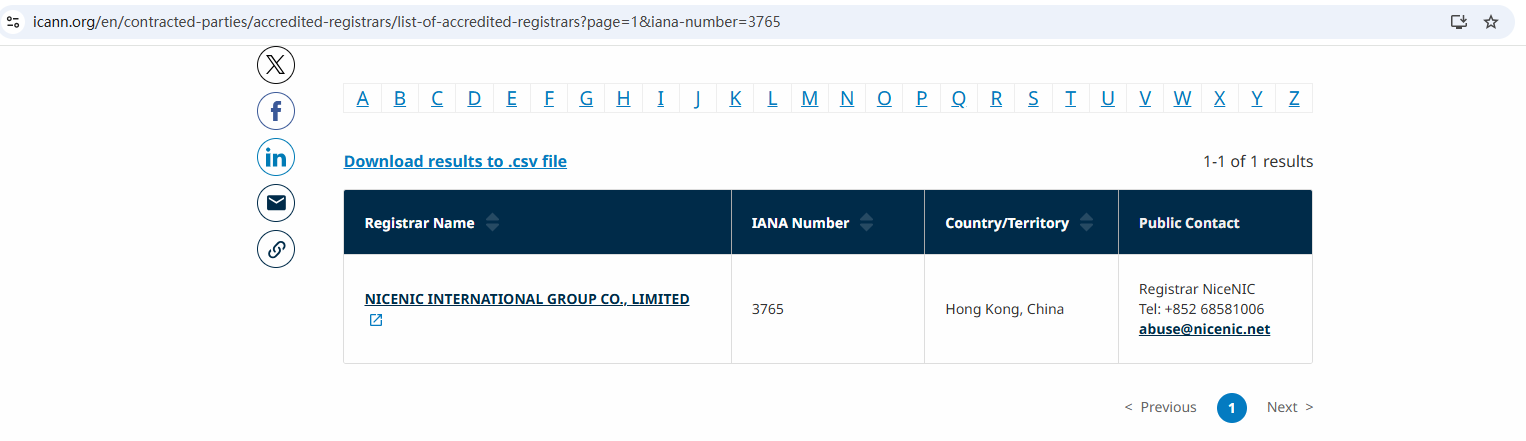
As an ICANN-accredited registrar, Nicenic operates under established global policies while helping domain owners understand what can be controlled, what requires attention, and how to avoid preventable escalation.
Our Library resources are designed to reduce confusion, set correct expectations, and help customers manage domains with confidence.
Nicenic stands as that trusted partner for brands, developers, entrepreneurs, and businesses worldwide.
Suggested Related Reading
Next News: What Is .uno? Everything You Need To Know About .uno Domains