


Introduction: Why Domain Renewal Matters
Registering a domain name is not a one-time purchase.
Many domain issues, including website downtime and email disruption, occur not because of technical errors, but because a domain was not renewed on time. Understanding how domain renewal and expiration work is essential for protecting your online presence.
When you register a domain name, you register it for a fixed period, typically from one to ten years.
Before the registration period ends, the domain must be renewed to remain active.
Key points about renewal:
-
renewal extends the registration period
-
renewal does not change ownership
-
renewal can usually be done at any time before expiration
-
renewing early does not reduce remaining time
Most registrars allow auto-renewal, which helps prevent accidental expiration.
If a domain is not renewed before its expiration date, it enters a defined domain lifecycle controlled by the registry.
While exact timing may vary by extension, the general process follows this structure.
1) Expiration Date
-
the domain reaches the end of its paid registration period
-
the website and email may stop working
-
the domain is no longer considered active
At this stage, renewal may still be possible at the standard renewal price.
2) Grace Period
Many domain extensions provide a grace period after expiration.
During this time:
-
the original registrant can still renew the domain
-
the renewal fee is usually standard
-
services may remain suspended
Not all extensions offer the same grace period length.
3) Redemption Period
If the domain is not renewed during the grace period, it may enter the redemption period.
During redemption:
-
the domain is removed from the zone file
-
the website and email stop completely
-
recovery is still possible, but more expensive
A redemption fee is required because the registry must manually restore the domain.
4) Pending Delete
If the domain is not restored, it enters pending delete status.
At this stage:
-
the domain cannot be renewed or restored
-
no party has control over the domain
-
the domain is scheduled for deletion
5) Domain Deletion and Re-Registration
After deletion, the domain becomes available for public registration again.
Anyone can register it on a first-come basis.
Registrants can typically renew domains for a maximum of ten years at a time. Policies, pricing, and renewal rules are determined by the registry and may change.
This structure ensures fairness, stability, and global coordination of the domain name system.
5. Common Misunderstandings About Domain Expiration
Misunderstanding 1: The domain expires immediately
Most domains do not disappear instantly, but services may stop quickly.
Misunderstanding 2: Expired domains are safe
Expired domains can be captured by others once deleted.
Misunderstanding 3: Renewal is always cheap
Redemption fees can be significantly higher than normal renewal.
Best practices include:
-
enabling auto-renewal
-
keeping contact email addresses up to date
-
monitoring expiration dates
-
renewing critical domains early
-
using a reliable registrar
Proactive management is far easier than recovery.
For businesses, an expired domain can result in:
-
website downtime
-
email interruption
-
loss of customer trust
-
potential brand damage
In some cases, expired domains are re-registered by third parties, creating legal or security risks.
Different extensions have different rules regarding:
-
grace periods
-
redemption availability
-
restoration fees
It is important to understand the specific policies of each domain extension you manage.
Conclusion
Domain renewal and expiration are not technical edge cases.They are fundamental parts of domain ownership and management.
Understanding how the renewal lifecycle works helps prevent downtime, loss of access, and unnecessary costs.
As an ICANN Accredited Registrar, Nicenic follows registry policies and provides tools to help users manage renewals responsibly.
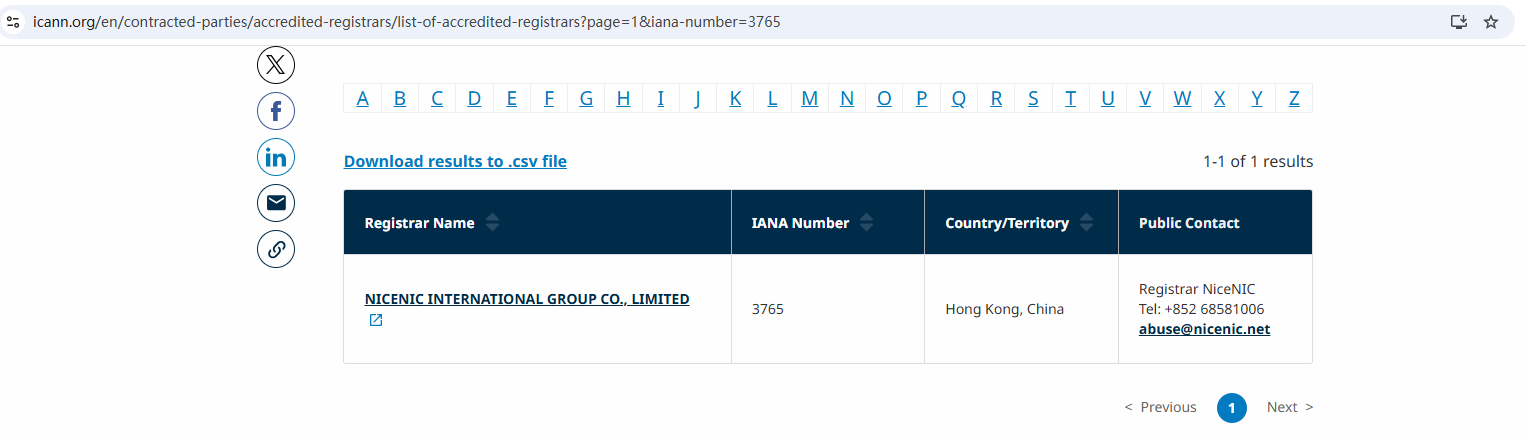
Nicenic stands as that trusted partner for brands, developers, entrepreneurs, and businesses worldwide.
Next News: How Domain Names Affect SEO