


Understanding the difference between Change of Registrant and editing contact details is crucial for domain management, especially when it comes to transferring ownership or making changes to the domain’s administrative information. While they may seem similar, these processes have distinct implications for domain ownership and security. In this article, we will explore what constitutes a Change of Registrant, how it differs from editing contact details, and why understanding the distinction matters.
What is Change of Registrant?
Common scenarios that trigger a Change of Registrant include:
Selling or transferring domain ownership to another person or business
Changing the registrant's name or email for legal or organizational reasons
Transferring the domain to another registrar or party
This process can introduce significant changes to the domain's management, including a 60-day transfer lock that prevents the domain from being transferred to another registrar unless explicitly opted out. The lock is a security measure to prevent unauthorized transfers after a change in ownership.
Editing Contact Details vs. Change of Registrant
While both editing contact details and Change of Registrant involve modifications to a domain’s information, they have significant differences in terms of impact and security procedures.
Aspect
Editing Contact Details
Change of Registrant
Change in Ownership
No change in ownership
Actual change in domain ownership
Required Verification
Possible email verification
Requires ownership verification
Impact on Domain Transfer
Generally no impact
Triggers a 60-day transfer lock
Who is Affected?
Only contact information (name, email, etc.)
Registered holder (legal owner)
Ownership vs. Contact Info: A Change of Registrant involves transferring legal ownership, while editing contact details simply updates administrative or billing contact information.
Verification: Editing contact details may only require verifying the email address or other contact methods. On the other hand, a Change of Registrant typically requires more robust verification of the new owner’s identity.
Transfer Restrictions: A Change of Registrant can trigger a 60-day transfer lock, preventing immediate transfer of the domain to another registrar, whereas editing contact information does not impact transferability unless there are additional conditions.
Why Does a Change of Registrant Trigger a Transfer Lock?
ICANN’s Transfer Lock Policy
According to ICANN regulations, when the Registrant information changes, a 60-day transfer lock is automatically applied to prevent the domain from being transferred without proper authorization. This is a safeguard against potential fraud or unauthorized transfers, ensuring that the domain transfer is intentional and properly authorized.
The 60-day lock serves as a protective measure following the Change of Registrant, during which the domain cannot be transferred to another registrar. However, some registrars may allow the registrant to opt out of this lock if they choose, depending on the specific registrar policies.
When to Use Change of Registrant vs. Editing Contact Details
When to Edit Contact Details
You should edit your domain’s contact details when:
You need to update the email address, phone number, or postal address associated with the domain.
There are changes in the billing or administrative contacts due to a department or staff change.
You want to make sure you receive all domain-related communications at the correct address.
Editing contact details does not require a Change of Registrant and does not trigger the 60-day transfer lock.
You should initiate a Change of Registrant when:
You are selling or transferring ownership of the domain to another party.
There is a change in your business entity (e.g., a merger, acquisition, or restructuring) and the domain ownership needs to reflect the new legal owner.
You want to transfer the domain to someone else (e.g., for a business partnership, or if you no longer need the domain).
Practical Tips for Domain Ownership and Transfer Management
To avoid confusion and ensure smooth domain transfers or updates, follow these best practices:
1. Ensure Accurate Contact Information
Keep your domain’s contact information up to date to avoid missed notifications and to ensure smooth operations. For example, keep the registrant’s email address updated for any verification requests.
2. Understand Transfer Restrictions
If you plan to transfer your domain, be aware of the 60-day transfer lock that will automatically apply when you change the registrant. This lock period exists to protect both parties involved in the transfer.
3. Plan Ahead for Business Changes
If your business is going through a merger or acquisition, or if you’re selling your domain, plan for the Change of Registrant process well in advance. Allow time for verification and ensure you understand the necessary steps to complete the transfer.
FAQ: Common Questions About Change of Registrant and Contact Information Updates
Q1: Will editing my contact details affect my domain transfer?
A: Generally, no. Editing contact details like email or billing information does not trigger the transfer lock, and it does not affect the ability to transfer the domain.
Q2: Why is there a 60-day transfer lock after changing the registrant?
A: The 60-day transfer lock is part of ICANN’s policy to prevent fraudulent domain transfers after a Change of Registrant. This lock ensures the transfer is legitimate and authorized.
Q3: How can I avoid the 60-day lock if I’m transferring my domain?
A: You may be able to opt-out of the lock depending on the registrar’s policy. However, this is not required by ICANN, and most registrars apply the lock automatically for security purposes.
Q4: Can I change the registrant information without affecting the domain’s functionality?
A: Yes. Changing the registrant information should not affect the domain’s functionality, such as website hosting or email services. However, it is important to ensure that the new registrant has full control over the domain.
Conclusion: Understanding the Difference Between Change of Registrant and Contact Details
Understanding the difference between Change of Registrant and editing contact details is vital for effective domain management. Whether you are updating administrative information or transferring ownership, knowing when each process is necessary can save time, prevent confusion, and help you maintain control over your domain.
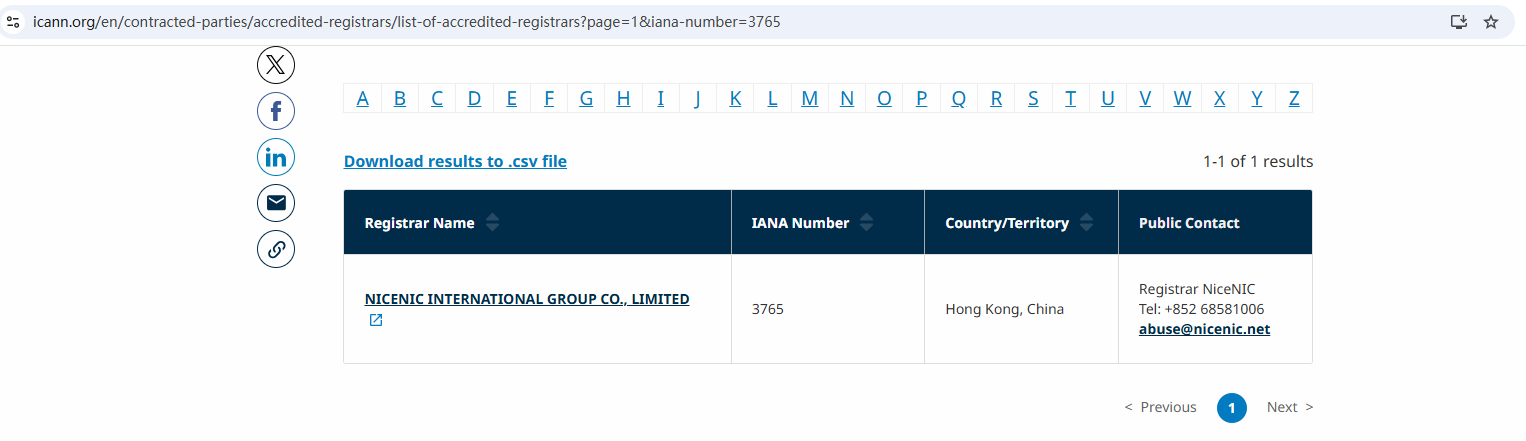
As a trusted ICANN-accredited registrar, Nicenic ensures that your domain management process is seamless and secure, providing clear guidance for all domain-related actions.
Nicenic stands as that trusted partner for brands, developers, entrepreneurs, and businesses worldwide, offering reliable domain management services and security solutions to keep your online presence safe and secure.
Next News: Why SSL Security Is Crucial for Your Website in 2025