


For enterprises, domain management is not just about registering a web address. It is part of digital infrastructure, closely tied to security, compliance, governance, and brand protection. While individuals and small businesses may focus on price or convenience, enterprises evaluate registrars based on capabilities that support complex workflows, automation, risk management, and large-scale operations.
1. Domain Management as a Strategic Asset
Enterprises treat domains as strategic assets that support:
-
Public websites
-
Email systems
-
Authentication and identity systems
-
Brand protection and legal compliance
Unlike personal use or simple business websites, enterprise domain portfolios often span hundreds or thousands of names, each with operational and security implications. According to industry analysis, large organizations may manage very extensive domain portfolios, which increases management complexity.
2. Role-Based Access Control (RBAC) and Governance
Role-based access control (RBAC) is essential for enterprises because:
-
Multiple teams (IT, security, legal, marketing) need defined privileges
-
Access to critical functions must be tightly controlled
-
Audit trails must show who changed what and when
Enterprise-grade registrars often provide RBAC that aligns with organizational structures, limiting configuration changes to authorized roles only. This reduces misconfiguration risk and supports internal compliance policies.
3. Audit Trails and Accountability
Enterprises require detailed activity logs so they can:
-
Trace changes to DNS or registration settings
-
Meet internal and external audit requirements
-
Investigate incidents effectively
Logs are used not just for troubleshooting, but for security governance, compliance verification, and forensic analysis.
Managing large portfolios manually is inefficient and error-prone. Enterprise registrars typically offer:
-
Bulk renewals, transfers, and updates
-
APIs for automation and integration with provisioning systems
-
Webhooks or notifications for domain events
-
Dedicated command-line interfaces for scripted workflows
These capabilities help enterprises synchronize domain changes with deployment tools, CI/CD pipelines, and centralized systems. According to a 2025 registrar comparison, enterprises value APIs that support comprehensive bulk operations and automated event handling.
Enterprises often operate across multiple jurisdictions and regulatory frameworks. Compliance considerations include:
-
GDPR and data residency requirements
-
Privacy and WHOIS accuracy obligations
-
Audit and reporting standards
A registrar that understands and supports multi-jurisdictional compliance helps enterprises reduce legal and operational risk. Providers that emphasize credentialed compliance and alignment with industry policy expectations are preferred partners.
For mission-critical systems, enterprises need predictable behavior from their registrar, including:
-
Clear service level agreements (SLAs)
-
Guaranteed response times
-
Dedicated support channels
-
Cross-team escalation paths
In enterprise scenarios, support queues are often inadequate; dedicated account management and escalation frameworks are part of the expected service model. Reliable operational behavior reduces surprises and supports internal uptime commitments.
Security is a core enterprise need. Important registrar-level controls include:
-
Multi-factor authentication (MFA)
-
Registrar and registry locking (transfer controls)
-
DNSSEC and advanced record protection
-
Account hardening and recovery orchestration
These capabilities protect against unauthorized changes and domain hijacking, which can lead to service interruptions or brand abuse.
Enterprise registrars often provide additional services beyond basic registration, such as:
-
Monitoring for look-alike or typosquatting domains
-
Trademark enforcement tools
-
Alerting for unauthorized registrations
These features help large organizations manage brand risk and protect intellectual property across the broader domain ecosystem.
Enterprises value support models that go beyond standard ticketing:
-
Dedicated account managers
-
Phone and priority support
-
Customized onboarding and service reviews
These help align domain operations with business processes and internal governance models.
10. Why "Infrastructure Partner" Is the Right Model
Unlike retail providers, which often focus on volume and price, enterprise-focused registrars operate more like infrastructure partners, similar to how enterprises choose cloud providers or identity platforms. Their role includes enabling organizational policies, supporting automation, and integrating with internal systems, rather than simply selling domains.
This difference in operational focus is a significant reason why enterprises look beyond brand visibility or cost savings when selecting a registrar.
Conclusion
Choosing the right domain registrar is a strategic decision for enterprises. They look for partners that offer:
-
Role-based access control and governance
-
Auditability and accountability
-
Bulk management and automation
-
Compliance support
-
Predictable operations and dedicated enterprise support
-
Security and brand protection capabilities
These capabilities help enterprises reduce risk, support large portfolios, and integrate domain management into broader security and IT workflows.
As organizations treat domains as mission-critical assets, registrars functioning as infrastructure partners, not retail vendors, become essential.
Why Trusted Registrar Guidance Matters
As an ICANN-accredited registrar, Nicenic operates within globally recognized policy frameworks and supports enterprise needs with stable, predictable domain services. Our Library content is designed to help domain owners understand what enterprises actually look for in a registrar and how to evaluate provider capabilities that matter most.
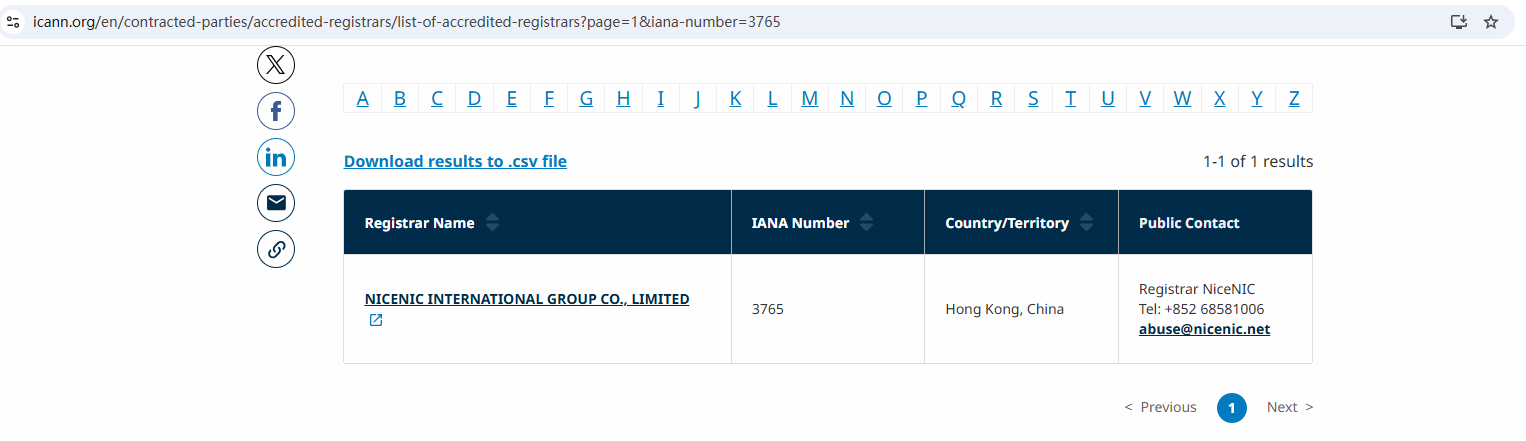
Nicenic stands as that trusted partner for brands, developers, entrepreneurs, and businesses worldwide.
Next News: How Abuse Complaints Escalate Into Domain Suspension