



Many users assume that once they purchase a domain, it starts with a clean slate.
Then unexpected problems appear:
-
Emails land in spam folders
-
Search engines hesitate to index the site
-
Security warnings show up despite legitimate content
In most cases, the cause is not DNS, hosting, or configuration errors. It is domain history.
Search engines and security systems often evaluate domains cumulatively, not only based on current ownership. Understanding this helps users avoid misdiagnosis, unrealistic expectations, and unnecessary troubleshooting.
What Is Domain History?
Domain history refers to the record of how a domain has been used over time, not just when it was registered.
It may include:
-
Previous website content and purpose
-
Past involvement in abuse, phishing, or malware
-
Email-sending behavior and spam complaints
-
Link profiles built by earlier owners
-
Prior security or search engine flags
Changing ownership does not automatically erase these signals.
A common assumption is: "I own the domain now, so the past should not matter."
In practice, many systems operate differently. Search engines, email providers, and security platforms rely on long-term behavioral patterns to protect users. These systems cannot instantly determine whether a new owner will behave differently, so historical signals remain part of the evaluation.
This does not mean recovery is impossible, but it does mean trust is rebuilt gradually, not instantly.
How Domain History Affects Reputation
Previous Abuse Leaves Long-Term Signals
Domains previously associated with:
-
Phishing
-
Malware distribution
-
Scam campaigns
-
Spam operations
may appear in threat-intelligence databases long after ownership changes.
Even if the domain is now used legitimately, reputation systems may apply additional scrutiny until consistent, clean behavior is observed.
One of the most common post-purchase issues is email delivery failure.
Typical symptoms:
-
Emails consistently go to spam
-
New mail servers struggle to establish trust
-
Warming up email sending takes longer than expected
Email providers heavily rely on domain reputation, and historical abuse can significantly delay trust recovery.
This is often mistaken for a mail server or DNS configuration problem, when it is actually a reputation issue.
How Domain History Influences Search Performance
Domain Age vs Domain Behavior
A widespread myth is that older domains automatically rank better.
In reality:
-
Domain age alone does not provide ranking advantages
-
Historical behavior and consistency matter far more
A domain with a long history of manipulative SEO or low-quality content may face trust limitations even after ownership changes.
If a domain was previously used for aggressive SEO tactics, it may have:
-
Large volumes of unnatural backlinks
-
Links from low-quality or penalized sources
These links do not disappear when the domain changes hands. Search engines may continue to evaluate the domain cautiously until link signals improve over time.
Common Misunderstandings That Cause Confusion
-
"My site is clean, so history shouldn’t matter."
Reputation systems evaluate patterns, not intent. -
"This must be a registrar or DNS problem."
Domain history issues are not technical configuration failures. -
"Changing hosting or IP will fix it."
Infrastructure changes do not reset reputation signals. -
"I should see results immediately."
Trust recovery is gradual, not instant.
Understanding these limits prevents unnecessary changes and repeated support requests.
What Users Should Check Before Buying a Domain
Pre-purchase due diligence significantly reduces risk.
Recommended checks include:
-
Reviewing past website snapshots
-
Checking whether the domain appears in security or spam databases
-
Evaluating whether the domain was repeatedly repurposed or abandoned
-
Assessing whether the domain has a history of aggressive SEO use
These steps help identify potential reputation baggage before acquisition.
Owning a domain with a problematic past does not mean it is unusable.
However, recovery requires:
-
Consistent, legitimate content
-
Clean email practices with gradual sending increases
-
Removal or disavowal of harmful link patterns where appropriate
-
Time and stability
There is no instant reset. Progress is based on long-term consistency, not short-term fixes.
Does domain history affect rankings forever?
No. But recovery takes time and consistent behavior.
Are newly registered domains always safe?
Not always. Some domains are abused shortly after registration.
Can domain history be completely erased?
No. Trust is rebuilt, not reset.
Is this a technical issue I can fix quickly?
Usually not. Domain reputation is not a configuration setting.
Final Thoughts
Domains are not blank assets. They carry signals shaped by past use, and those signals influence how search engines and security systems respond.
Understanding domain history helps users:
-
Set realistic expectations
-
Avoid unnecessary troubleshooting
-
Make smarter purchasing decisions
At Nicenic, we encourage users to consider domain history as part of long-term planning, helping them avoid surprises after acquisition rather than dealing with unexpected reputation issues later.
Nice to Register, Safe to Own
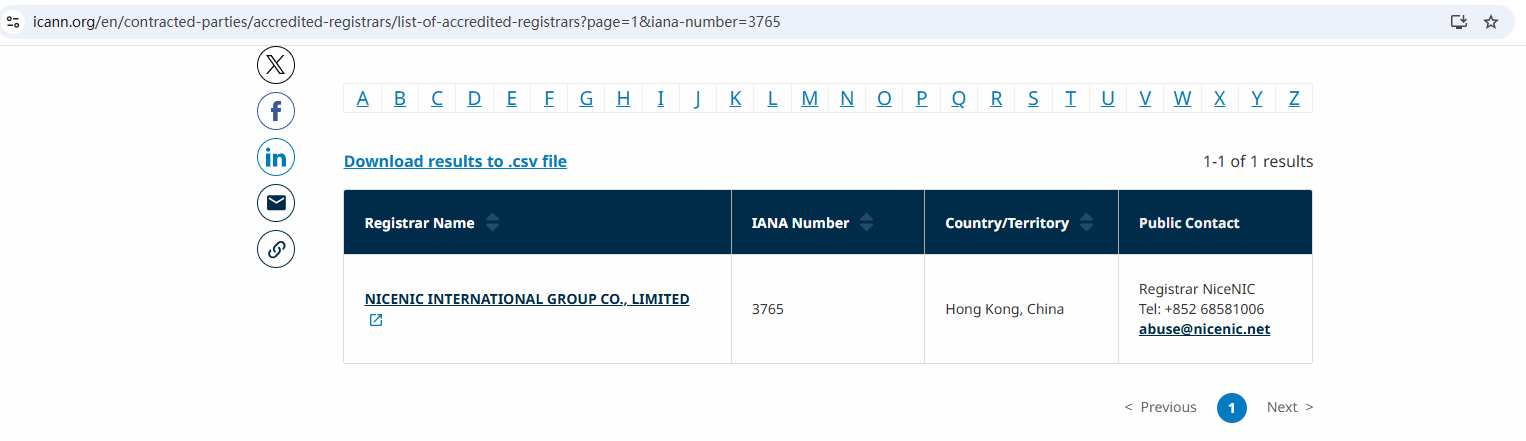
Brands, businesses, developers, and domain professionals worldwide trust NiceNIC — an ICANN-accredited domain registrar founded in 2006, supporting gTLDs, ccTLDs, and new gTLDs at global scale.
Why NiceNIC?
• Fair & Transparent Operations — No domain suspension without valid evidence
• Registrant-First Control — Lifetime free WHOIS privacy and full domain control
• Responsive Human Support — Real experts, real help, replies within 6 hours
• Global Accreditation — ICANN-accredited operations with multilingual support worldwide
• Scalable Infrastructure — 2,500+ domain extensions with API automation tools
• Flexible Payments — Crypto-friendly: BTC, USDT, ETH, LTC etc.
Modern enterprises run on Microsoft;
Fast-growing companies build with AI;
Trusted brands secure domains with NiceNIC!
Next News: What Is a .net Domain and Why It Still Matters Today