


When registering and managing domain names, many users overlook small settings that are closely tied to security. These details often seem minor until something goes wrong and their importance becomes clear.
During this warm holiday season, we would also like to take a moment to wish you and your loved ones a peaceful and relaxing Christmas.
With that in mind, this guide walks through some of the most commonly overlooked aspects of domain security including domain locks, WHOIS privacy, and basic anti-abuse practices, to help you protect your domain assets without adding unnecessary complexity.
Domain Security Starts at the Domain Level
A common misconception is that domain security only matters for large companies or highly technical users. In reality, every domain owner is a potential target.
It’s also important to understand that domain security is different from website or server security:
-
Domain level: ownership, transfers, DNS control
-
DNS level: where your domain points
-
Website/server level: content, software, and applications
This article focuses on domain-level and DNS-level security, which form the foundation of everything else.
Domain Locks: What They Are and Why They Matter
What Is a Domain Lock?
A domain lock prevents unauthorized domain transfers or ownership changes. It acts as a built-in safety mechanism to protect your domain from being moved without your approval.
Common Misunderstandings
Many users ask:
-
"Why can’t I transfer my domain right now?"
-
"Is my domain restricted?"
-
"Will locking affect my website or DNS?"
The Key Clarification
A domain lock:
-
Does not affect website access
-
Does not interfere with DNS or email
-
Only controls domain transfers and ownership changes
Best Practice
-
Keep your domain locked at all times
-
Unlock it only when you intentionally plan to transfer
-
Re-lock it immediately after the transfer is complete
This single habit prevents many domain hijacking incidents.
WHOIS Privacy: Protection Without Losing Control
Why WHOIS Privacy Exists
By default, domain registration information is publicly visible. This can expose your email address, name, or organization to spam, phishing attempts, and social engineering attacks.
WHOIS privacy replaces public contact details with proxy information, while still keeping the domain fully compliant.
Common Concerns Explained
-
Is WHOIS privacy legal?
Yes. It is widely supported and compliant with domain policies. -
Does it hide ownership?
No. Ownership remains verifiable through proper channels. -
Will I miss important emails?
No. Registrars still deliver essential notices to your account email.
Best Practice
-
Keep WHOIS privacy enabled long-term
-
Ensure your registrar account email is valid and monitored
-
Avoid disabling privacy unless absolutely necessary
WHOIS privacy improves both security and user experience.
DNS and Account Security: Often Overlooked, Often Exploited
Why DNS Security Matters
If DNS access is compromised, attackers can:
-
Redirect your domain to phishing pages
-
Intercept email traffic
-
Damage your brand reputation
Common Risky Behaviors
-
Weak or reused passwords
-
Shared account access
-
Granting unnecessary third-party permissions
Practical Security Habits
-
Use strong, unique passwords
-
Enable two-factor authentication when available
-
Limit account access to trusted users only
-
Review DNS records periodically
Most DNS-related security issues stem from account-level weaknesses, not technical exploits.
Anti-Abuse Awareness: Not All Abuse Is Intentional
A Common Source of Confusion
Many domain owners are surprised to receive abuse or security notifications, even when they believe they have done nothing wrong.
What’s Important to Understand
-
Abuse reports do not automatically mean malicious intent
-
Domains can be misused through compromised websites or DNS
-
Timely action is critical, regardless of intent
Common Triggers
-
Website malware injected without the owner’s knowledge
-
DNS records altered by unauthorized access
-
Subdomains being abused
How to Reduce Risk
-
Keep websites and scripts updated
-
Monitor DNS changes
-
Respond promptly to any security or abuse notifications
Early attention prevents escalation and service disruption.
Use this quick checklist to keep your domains secure:
-
Is your domain locked?
-
Is WHOIS privacy enabled?
-
Are you using a strong, unique account password?
-
Is two-factor authentication enabled?
-
Do you periodically review DNS records?
-
Is your WHOIS contact email active and accessible?
-
Do you take security or abuse notices seriously?
These basic steps dramatically reduce domain-related risks.
Most domain security incidents don’t happen because attacks are sophisticated — they happen because basic protections were overlooked.
You don’t need to be a security expert. You just need to keep foundational safeguards in place.
A reliable registrar plays an important role in domain security by providing clear controls, transparent processes, and proactive protection.
As an ICANN-accredited registrar, Nicenic operates under global standards designed to protect domain ownership, ensure stability, and support responsible domain use. We believe security should be a default, not an afterthought.
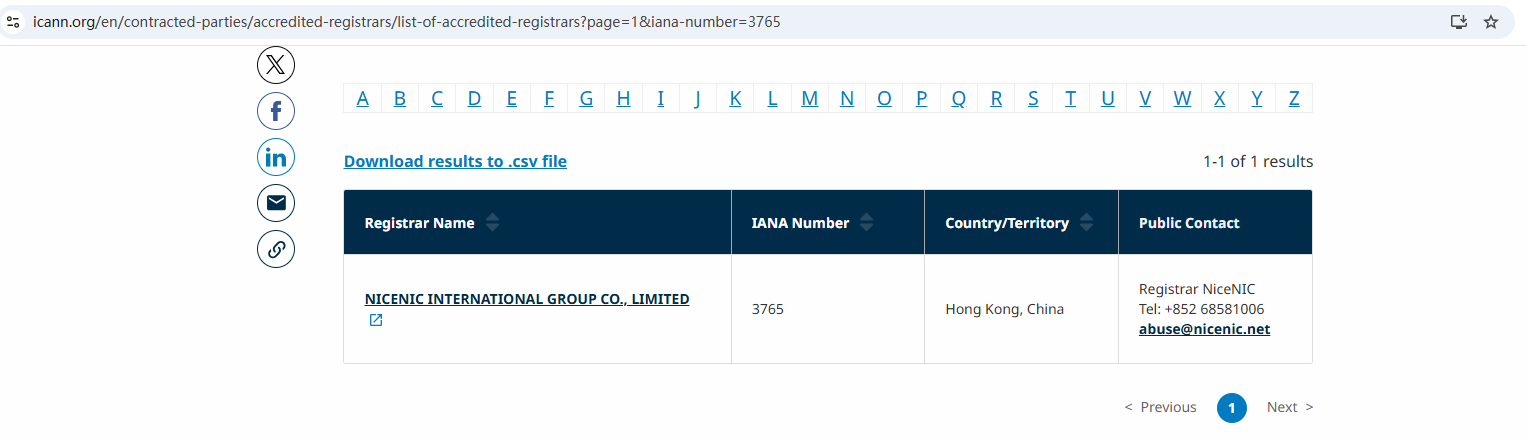
Nicenic stands as that trusted partner for brands, developers, entrepreneurs, and businesses worldwide.
Next News: Common Mistakes Domain Buyers Make & How to Avoid Them