


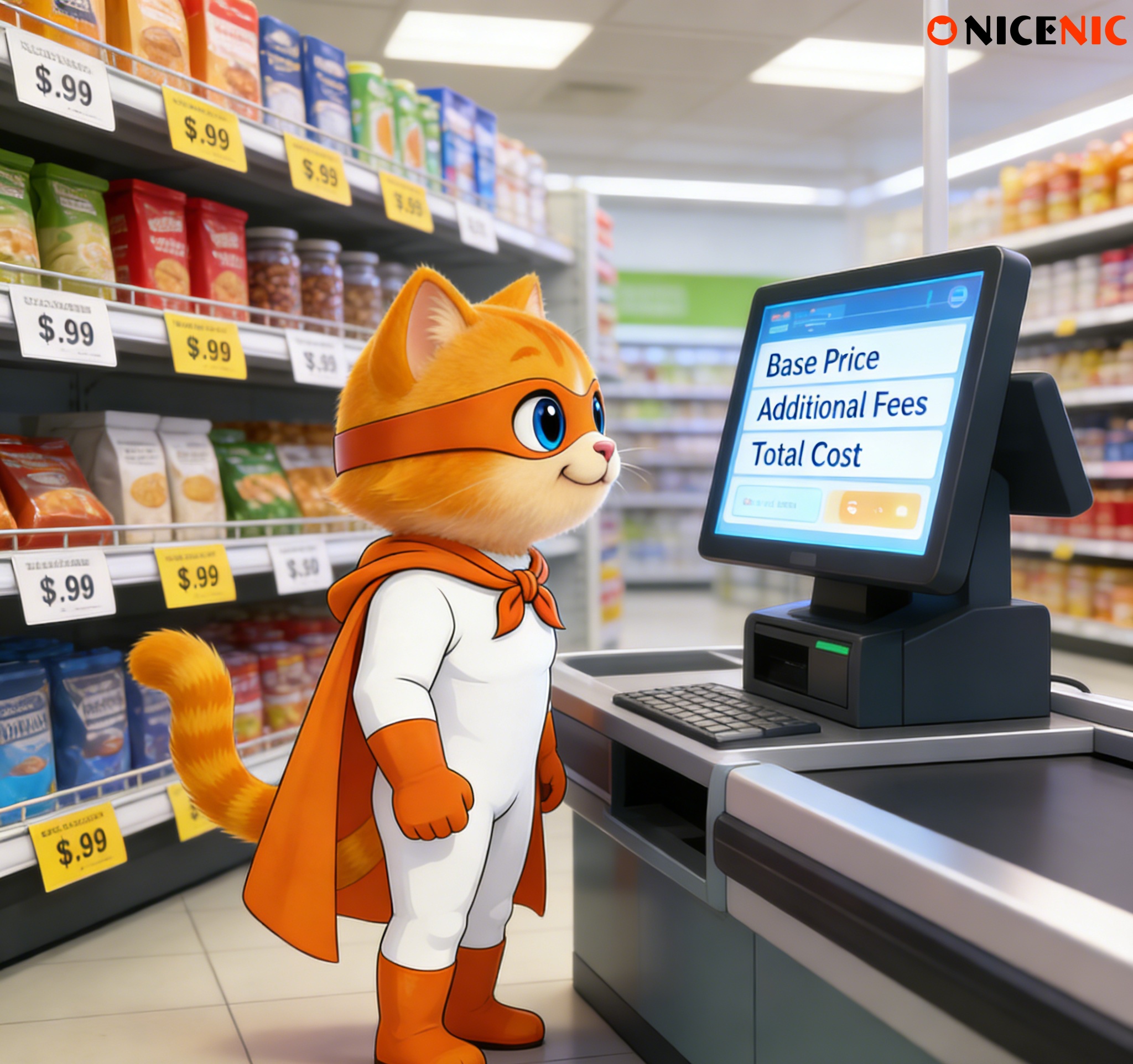
When choosing a domain name, many users focus almost entirely on the first-year price. A low introductory offer can feel like a good deal, sometimes even an obvious one.
However, in domain management, the first-year price rarely reflects the real cost of ownership. Over time, renewal fees, transfer conditions, support quality, and operational risk often matter far more than the initial number shown on the checkout page.
This article explains what domain owners frequently overlook, why pricing alone can be misleading, and how to evaluate the true long-term cost of a domain.
Why First-Year Domain Prices Can Be Misleading
Low first-year pricing is a common industry practice. Registrars often discount initial registration fees to attract new users, especially for popular extensions or competitive markets.
What many users do not realize is that:
-
The discounted price usually applies only to the first year
-
Renewal prices are often significantly higher
-
Long-term ownership costs are rarely considered at the time of purchase
This gap between perceived cost and actual cost is where confusion and frustration, often begins.
Understanding the Real Cost of a Domain
The real cost of a domain is not just what you pay today. It includes several long-term factors that affect stability, flexibility, and risk.
1. Renewal Pricing Consistency
Renewal pricing is the most important long-term cost factor.
Key questions users should ask:
-
Is the renewal price clearly disclosed?
-
Does it remain stable year over year?
-
Does it differ significantly from the first-year price?
For domains intended to represent a brand, business, or long-term project, predictable renewal pricing is often more valuable than a cheap first year.
2. Transfer Flexibility and Exit Cost
Some users only discover transfer limitations when they try to move a domain.
Common overlooked costs include:
-
Transfer fees that include an additional renewal year
-
Administrative delays or restrictions
-
Complicated authorization or support processes
A domain should remain under the registrant’s full control. Transfer flexibility is part of the real cost of ownership.
3. Support Responsiveness During Incidents
Most domain issues do not happen during normal operation, they happen during:
-
DNS misconfigurations
-
Abuse complaints
-
Email delivery failures
-
Expiration or suspension events
In these moments, support quality matters more than price.
A registrar with slow or automated-only support can turn a small issue into prolonged downtime. The operational cost of lost access, disrupted email, or delayed resolution often exceeds any initial savings.
4. Downtime and Suspension Risk
Domains are not just assets, they are infrastructure.
Unexpected suspension, delayed abuse handling, or poor communication can result in:
-
Website downtime
-
Email service interruption
-
Reputational damage
-
Lost business opportunities
These risks are rarely visible in pricing tables, but they represent some of the highest real costs domain owners face.
Why Users Underestimate These Costs
Behavioral economics offers a useful explanation.
People tend to anchor on the first number they see. When a domain is advertised at a very low initial price, that number becomes the reference point, even if future costs are higher and more significant.
As a result:
-
Long-term costs are mentally discounted
-
Risk factors are underestimated
-
Stability is traded for short-term savings
In domain management, this mindset often leads to regret rather than value.
Why Stability Often Outweighs Nominal Savings
Stable domain management means:
-
Transparent pricing
-
Predictable renewals
-
Clear transfer policies
-
Human support when issues arise
-
Policy-aligned handling of abuse or disputes
When domains are critical to identity and continuity, the cost of disruption far exceeds small price differences.
How to Evaluate Domain Cost More Effectively
Before registering a domain, consider these practical steps:
Check the Renewal Price First
Always look beyond the first-year price and confirm the renewal fee.
Review Transfer Policies
Understand how easy it is to move the domain if needed, and what costs apply.
Assess Support Availability
Check whether real, responsive support is available during critical incidents.
Think Long-Term
If the domain will be used for multiple years, evaluate total ownership cost, not just the entry price.
Common Questions Users Ask
Final Thoughts
Domain pricing and domain cost are not the same thing.
While low first-year prices are easy to compare, real cost is defined over time — through renewals, support quality, flexibility, and reliability.
Understanding these factors helps users avoid unnecessary surprises, reduces operational risk, and leads to better long-term decisions.
As an ICANN-accredited domain registrar, Nicenic focuses on transparent pricing, registrant-first control, and policy-aligned operations designed for long-term domain ownership.
Nice to Register, Safe to Own
Brands, businesses, developers, and domain professionals worldwide trust NiceNIC — an ICANN-accredited domain registrar founded in 2006, supporting gTLDs, ccTLDs, and new gTLDs at global scale.
Why NiceNIC?
• Fair & Transparent Operations — No domain suspension without valid evidence
• Registrant-First Control — Lifetime free WHOIS privacy and full domain control
• Responsive Human Support — Real experts, real help, replies within 6 hours
• Global Accreditation — ICANN-accredited operations with multilingual support worldwide
• Scalable Infrastructure — 2,500+ domain extensions with API automation tools
• Flexible Payments — Crypto-friendly: BTC, USDT, ETH, LTC etc.
Big companies choose proven platforms;
Smart companies choose AI-first growth;
Long-term companies choose secure domains - NiceNIC!
Next News: Why Choosing the Wrong Domain Registrar Creates Long-Term Risk