


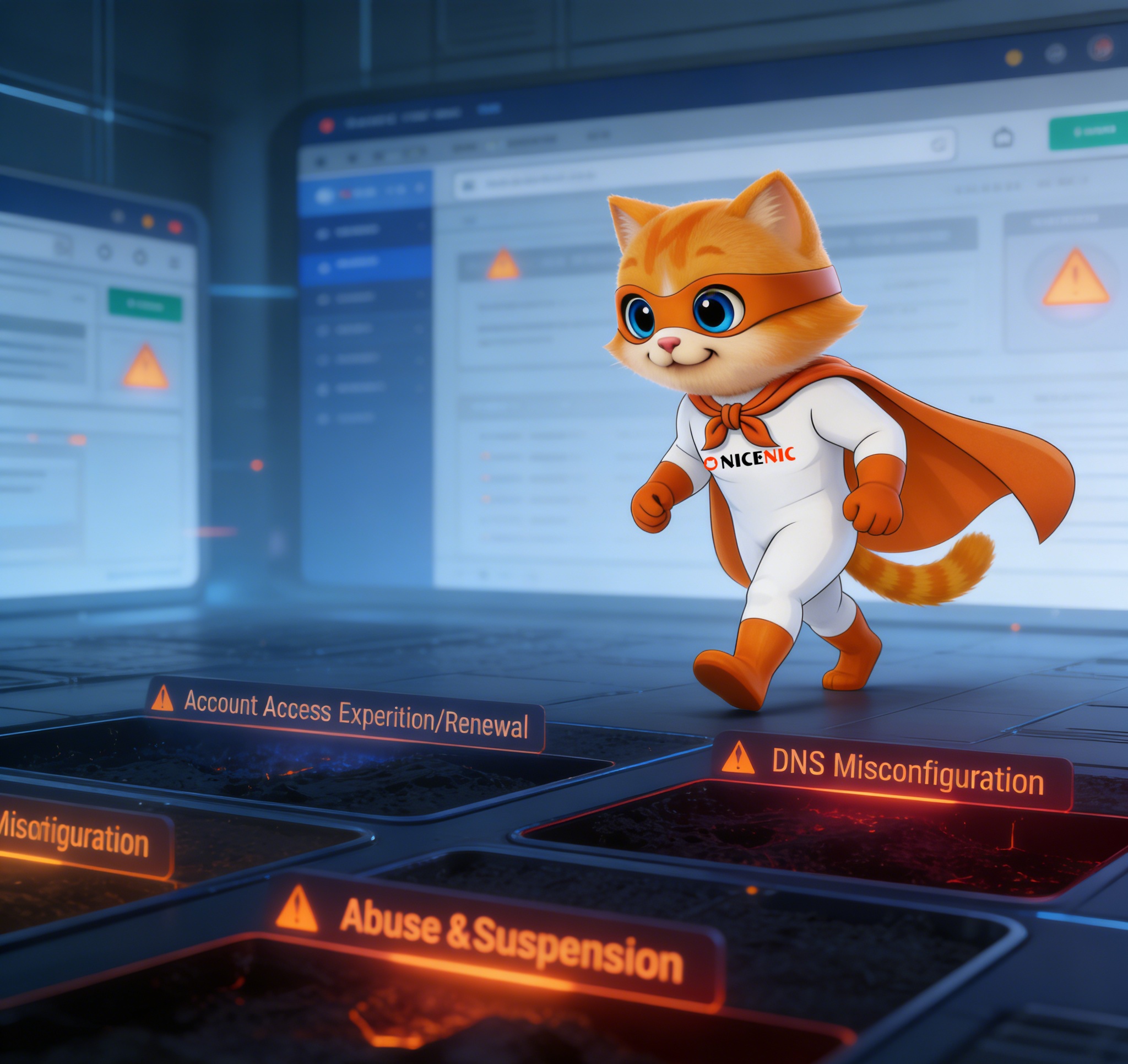
A domain name is more than a web address, it is the foundation of your online identity. When domain risks are misunderstood or overlooked, the consequences can include downtime, lost email, security incidents, or even permanent loss of the domain itself.
This guide explains the most common domain risk scenarios, why they happen, and most importantly, how to prevent them before they turn into emergencies.
1. Domain Hijacking
What It Is
Domain hijacking occurs when an attacker gains unauthorized control of a domain name. This may involve changing ownership details, modifying DNS records, or transferring the domain to another registrar.
According to SecurityScorecard, domain hijacking often results from compromised account credentials or weak registrar-level protections.
-
Stolen or reused passwords
-
Phishing or social engineering attacks
-
Missing account-level security protections
-
Why was my domain transferred without my approval?
-
My website now points somewhere else, what happened?
-
Enable registrar lock on all domains
-
Use strong, unique passwords
-
Enable two-factor authentication (2FA)
-
Secure the account contact email, not just the domain
2. Abuse-Related Domain Suspensions
What This Means
Domains involved in phishing, malware distribution, or other forms of DNS abuse may be suspended by the registrar or registry, even if the registrant was unaware of the activity.
Domain suspensions are a recognized response to DNS abuse aimed at protecting internet users.
-
Phishing landing pages
-
Malware or scam content
-
Compromised hosting accounts
-
Third-party misuse of subdomains
-
My domain hasn’t expired, why is it offline?
-
I didn’t create the phishing page. Why was my domain suspended?
-
Monitor website content and hosting security
-
Keep WHOIS contact information accurate
-
Respond promptly to abuse notices
-
Avoid delegating DNS or hosting access without controls
3. Accidental DNS Misconfiguration
What Goes Wrong
DNS misconfiguration happens when records are edited incorrectly, causing immediate service disruption.
Even small errors such as an incorrect A record or a broken CNAME can take websites or email systems offline instantly.
-
Incorrect IP address in A records
-
Broken CNAME chains
-
Missing or invalid MX records
-
Incorrect TTL values
-
My website stopped loading after a DNS change.
-
Email stopped working immediately.
-
Back up DNS records before making changes
-
Change one record at a time
-
Verify changes using multi-location DNS tools
-
Allow time for TTL-based propagation
4. Domain Expiration and Renewal Failures
Why Expiration Is Risky
When a domain expires:
-
DNS resolution may stop
-
Websites and email services go offline
-
The domain may enter redemption or deletion stages
-
Third parties may register it once released
-
Missed renewal notices
-
Outdated contact email
-
Failed payment methods
-
Manual renewals forgotten
-
Enable automatic renewal
-
Keep billing details up to date
-
Maintain a monitored administrative email
-
Consider multi-year registrations for critical domains
5. Post-Expiration Re-Registration and Drop Catching
What Happens After Deletion
Once a domain is fully deleted, it may be registered by anyone, often automated systems known as "drop catchers."
Why This Is Dangerous
-
Competitors or attackers may acquire the domain
-
Former email addresses may be abused
-
Brand reputation may be harmed
A Practical Checklist to Reduce Domain Risk
-
Enable registrar lock and 2FA
-
Secure the account contact email
-
Keep WHOIS information accurate
-
Monitor DNS changes carefully
-
Enable automatic renewal
-
Respond promptly to abuse or verification notices
Preventive management is far easier and safer than emergency recovery.
Why Trusted Domain Risk Guidance Matters
As an ICANN-accredited registrar, Nicenic follows established policies designed to protect domain registrants, ensure operational stability, and respond responsibly to security and abuse issues.
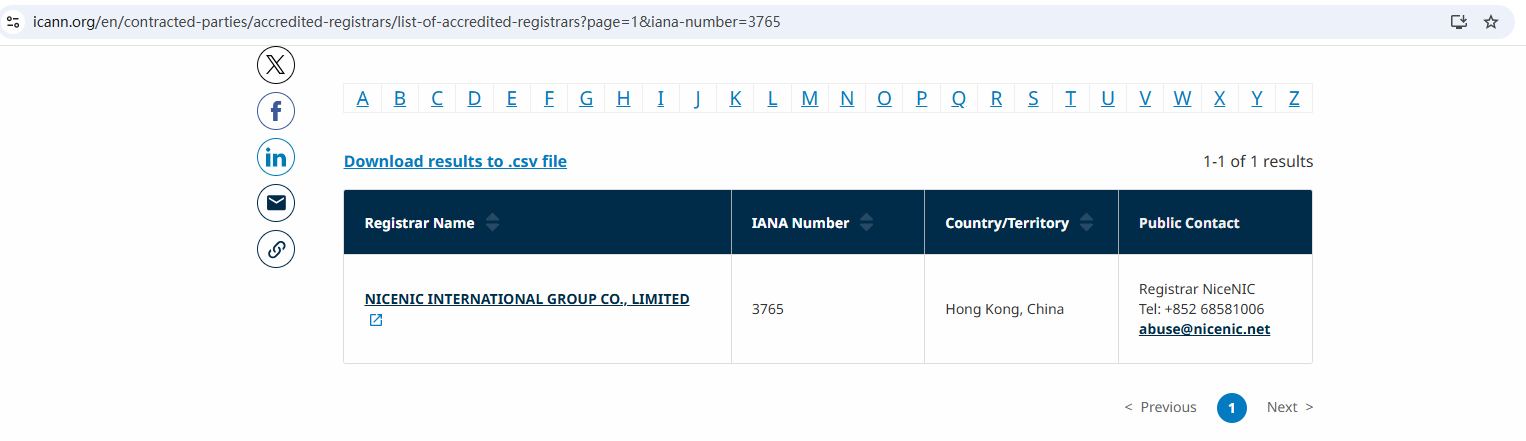
Our Library content is built to help domain owners understand risks clearly, avoid common mistakes, and manage domains with confidence.
Nicenic stands as that trusted partner for brands, developers, entrepreneurs, and businesses worldwide.
Next News: Why Does DNS Look Correct, but a Third-Party Service Says “Not Verified”?