

Per?iūros:713
Laikas:2026-02-03 13:42:09 Autorius: NiceNIC 
By proactively managing domain renewals and expiration risk, website builders not only protect client infrastructure but also demonstrate long-term care—turning a once transactional relationship into an ongoing partnership. Partnering with an ICANN-accredited registrar designed for professional service workflows like Nicenic empowers agencies to control the domain lifecycle reliably and transparently, avoiding the pitfalls that consumer registrars (e.g., GoDaddy, Namecheap) often introduce.
Understanding Why Domain Expirations Cause Downtime
DNS Stops Resolving When a Domain Expires
When a domain expires, the registry will typically:
- Disable DNS resolution
- Remove authoritative nameservers
- Trigger suspension notices
Search engines and browsers then see the domain as unreachable, which leads to:
- Immediate website downtime
- Failed API requests and broken forms
- Email bounce backs due to lost DNS records
ICANN's domain lifecycle guidelines confirm that once expiration grace periods lapse, domains enter a "redemption period" where recovery becomes slower and more expensive. This is why proactive renewal management matters.
Why Automatic Renewals Are Important, but Not Enough by Themselves
Auto-Renew Is a Safety Net, Not a Guarantee
Auto-renewal is a best-practice, supported by virtually all registrars, that can help prevent accidental expiration. However, registrar billing systems and industry incident data show several common failure modes:
- Expired or updated credit cards
- Price increase triggers causing payment rejection
- Renewal emails sent to outdated addresses
- Domains registered under forgotten accounts
Without monitoring, auto-renew can silently fail and the domain may still expire despite being "protected."
Therefore, setting up auto-renew must be combined with proactive monitoring to be effective.
Monitoring Renewal Dates to Prevent Downtime
Why Monitoring Matters
Registrar support analytics and incident post-mortems show that keeping track of renewal dates is one of the most effective ways to prevent expiration issues. Actively tracking renewal timing:
- Eliminates reliance on registrar emails alone
- Ensures billing methods are valid before renewal windows
- Allows intervention long before grace periods close
This kind of monitoring is especially critical for agencies managing multiple clients or portfolios, where manual tracking becomes impossible without tooling.
How Website Building Companies Can Implement Best Practices
1. Enable and Verify Auto-Renewal
Ensure that all registered domains have auto-renew enabled and that:
The payment method on file is active and valid
Renewal confirmations are received and logged
The registrar's system shows the auto-renew status as active
Nicenic's registrar platform provides clear auto-renew indicators and alerting mechanisms, making it easier for agencies to verify that renewals are set up correctly.
2. Actively Monitor Renewal Dates
Instead of relying solely on reminder emails:
Maintain an internal renewal calendar
Use registrar tools that offer renewal status dashboards
Set reminders 60, 30, and 7 days before expiration
Nicenic supports centralized visibility of domain status, making it easy for teams to monitor multiple client domains in one place.
3. Build the Renewal Discussion Into Client Workflows
- Many domains expire because the billing contact on file is not updated when clients change roles or ownership:
- Confirm renewal contacts during onboarding
- Update WHOIS and billing contacts during site handoff
- Re-verify contact details annually
- Accurate WHOIS data not only affects renewal but also supports compliance with global policies like GDPR.
- SEO and Reputation Risks of Domain Expiration
Search Engines Treat Expired Domains as Unreachable
Google's and Bing's webmaster documentation clearly states that unreachable domains result in:
- Reduced crawl frequency
- Deindexing of affected pages
- Loss of ranking signals for high-value queries
Even after the domain is restored, recovery is not automatic. Ranking stability may lag behind content quality gains, resulting in long-term visibility loss.
By preventing expiration, agencies protect both uptime and SEO authority.
Why Nicenic Is the Right Registrar Partner for Agencies
Registrar-Level Transparency and Control
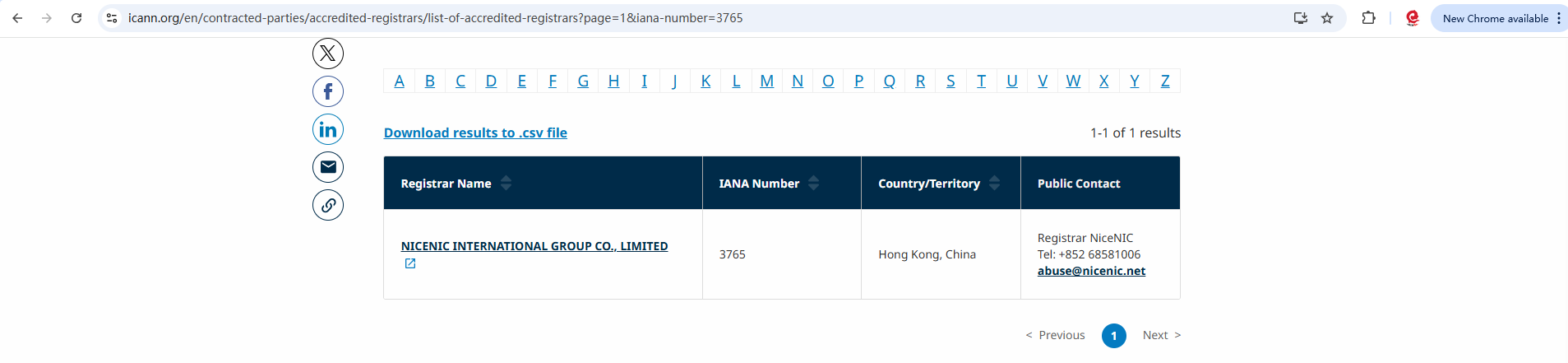
As an ICANN-accredited registrar, Nicenic works directly with TLD registries, providing:
- Accurate domain lifecycle status
- Predictable renewal windows
- Reliable expiration and grace period data
Unlike consumer registrars that bury these details behind marketing flows, Nicenic exposes them in a way that supports professional workflows.
Centralized Domain Management
Nicenic allows agencies to:
- Monitor renewals across all client domains
- Receive alerts when domains approach renewal windows
- Manage DNS, WHOIS, and security settings from a unified interface
This centralized control reduces operational risk and administrative overhead.
Stable Pricing for Long-Term Planning
Unexpected renewal price increases—common with many consumer registrars can trigger failed payments and domain loss. Nicenic emphasizes transparent, stable pricing, enabling agencies to plan renewals without surprises and maintain client trust.
Conclusion
Domain expiration doesn't just break a website. It breaks trust, SEO, and continuity. For website building companies, preventing this preventable failure is a core responsibility that:
- Safeguards uptime
- Preserves SEO performance
- Strengthens client confidence
By setting up verified auto-renewals, actively monitoring renewal dates, and centralizing management through a registrar built for professional use like Nicenic, agencies not only protect their clients but also position themselves as long-term digital partners—not just builders.
In a world where websites are expected to be always-on, domain lifecycle management is not optional. It's essential. Partnering with Nicenic helps you deliver that promise without friction, unpredictability, or unnecessary risk.
SUSIJUSIOS NAUJIENOS:
Paskutin?s naujienos:
Ensuring Website Security with SSL Certificates and Domain Configuration
Naujausi naujienos: How Offering Domain Registration Services Can Improve IT Service Provider Profitability
Naujausi naujienos: How Offering Domain Registration Services Can Improve IT Service Provider Profitability