


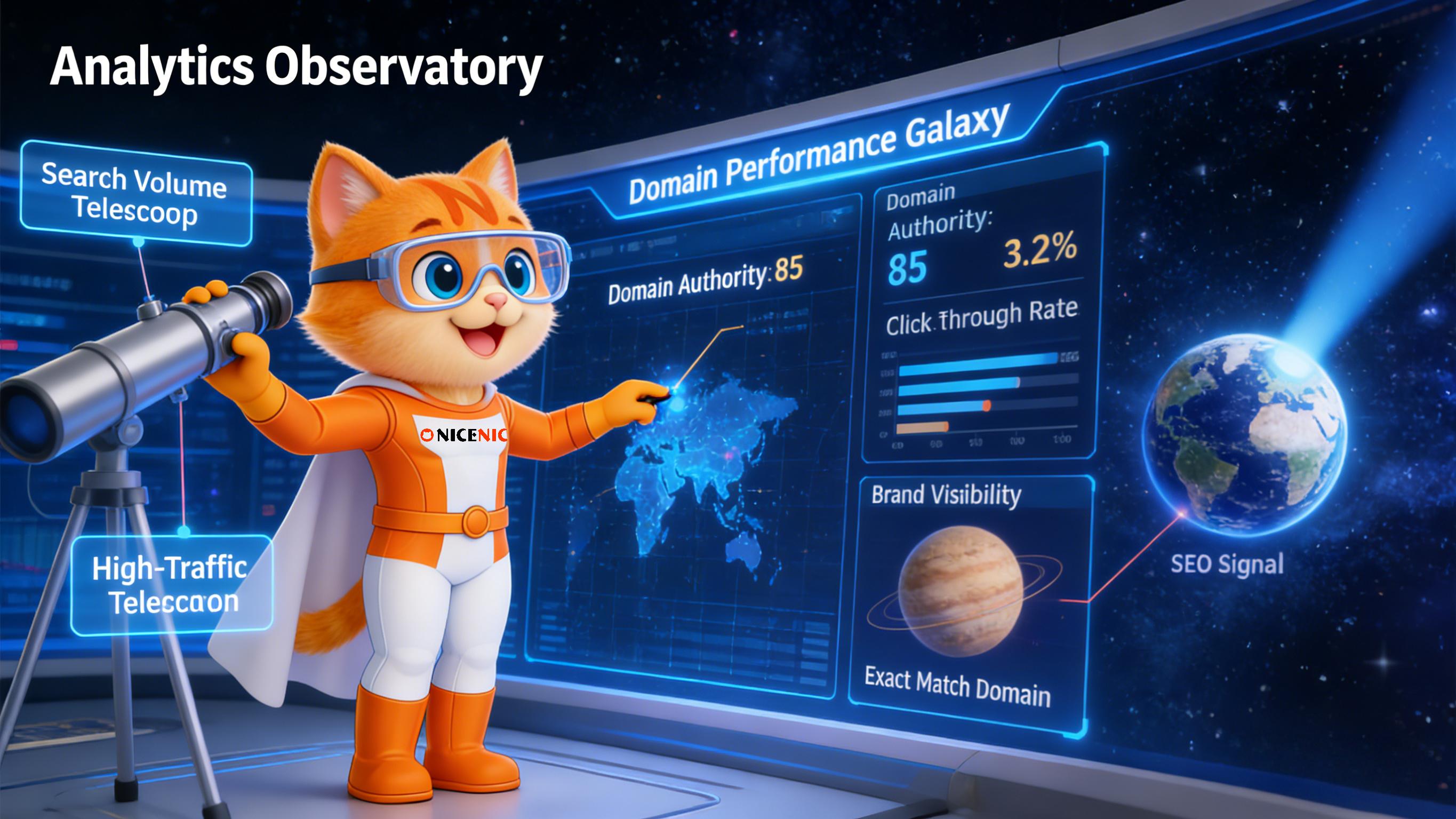
Choosing the right domain name is one of the earliest strategic decisions in any web project, yet its impact reverberates through user experience, brand perception, and search visibility. For SEO agencies, guiding clients through domain selection is more than design advice. It’s an SEO-influencing strategy backed by search behavior and indexing principles.
While a domain name alone cannot replace quality content and strong backlink profiles, it shapes first impressions, influences brand trust, and provides indirect SEO signals that contribute to long-term performance. As search engines evolve, domain relevance, memorability, and alignment with brand and keywords continue to influence how users interact with search results and how algorithms interpret site purpose.
Below is a practical, evidence-based framework that SEO agencies can use to guide clients, and how partnering with a professional registrar like www.unionroom.cn ensures these choices are realized efficiently and reliably.
1. Prioritize Short, Memorable Domains That Reflect the Business’s Core
A domain’s first job is to be understandable and memorable. User experience research in branding and digital behavior demonstrates that users form judgments about credibility within seconds of seeing a domain — even before content loads. Domains that are short, clear, and easy to recall help:
-
Improve click-through behavior in search engine results pages (SERPs)
-
Reduce the likelihood of mistyped URLs or typosquatting attacks
-
Support stronger brand recall across channels
For SEO agencies, this metric isn’t about keyword stuffing but user trust and accessibility. A concise domain that reflects a business’s identity increases the likelihood that users click and engage, a behavior that search engines interpret as signals of relevance.
2. Align Domain Choice With Branding Before Keywords
Keyword-rich domains once held direct ranking advantages, especially in early search algorithms. However, modern search engines emphasize user intent, content relevance, and brand trust over exact match keywords in the domain itself. Studies and SEO tools note that:
-
Domains with branded elements outperform generic keyword domains over time
-
Strong branding increases repeat recognition and user trust
-
Google’s updates have shifted focus from exact match domains toward brand and content signals
This aligns with evidence showing that user behavior, such as hovering over and clicking results. It feeds into relevance metrics that search engines use to rank content. In other words, a domain that captures brand identity and supports search clarity impacts rankings indirectly through engagement signals.
3. Consider SEO-Friendly Elements Without Overemphasizing Keywords
A domain can help with SEO in multiple indirect ways:
Top-Level Domain Choice Matters for Credibility
The top-level domain (TLD) does not directly boost ranking, but it affects user perception and click behavior. TLDs like .com remain the most trusted and widely recognized, supporting credibility in SERPs.
Domain Clarity Supports Search Engine Understanding
Domains that describe the business purpose without unnatural repetition help search engines contextualize content relevance. While exact match domains are no longer a strict ranking lever, descriptive domains provide clear relevance cues which assist indexing and categorization.
Avoid Unnecessary Complexity
Domains with hyphens, numbers, or overly lengthy strings are harder for users to remember and for search engines to associate with a clear business identity. Simpler domains encourage direct type-in traffic and reduce branded search friction.
4. Choose TLDs and Extensions That Match Business Audience Goals
While a .com domain often conveys global intent, country-specific or niche TLDs can help signal geographic or industry relevance when aligned with business goals.
For example:
-
.com for global brand presence
-
.co.uk or .com.au for localized audiences
-
Industry-specific extensions for niche positioning
Search engines do not use the domain extension itself as a ranking factor, but the context it conveys affects user trust and click behavior, which influences search performance indirectly.
5. Plan Domain Decisions With Long-Term SEO and Brand Growth in Mind
SEO agencies know that domain choice may influence initial visibility, but domain decisions also play a role in long-term content strategies. A domain that is too narrow (e.g., keyword specific) may limit future expansion, whereas a brandable domain supports broader keyword targets and audience growth.
Analysis of domain selection strategies shows that balancing brand authority with clear business context results in better domain value and SEO sustainability over time.
How Nicenic Helps SEO Agencies Implement Ideal Domain Strategies
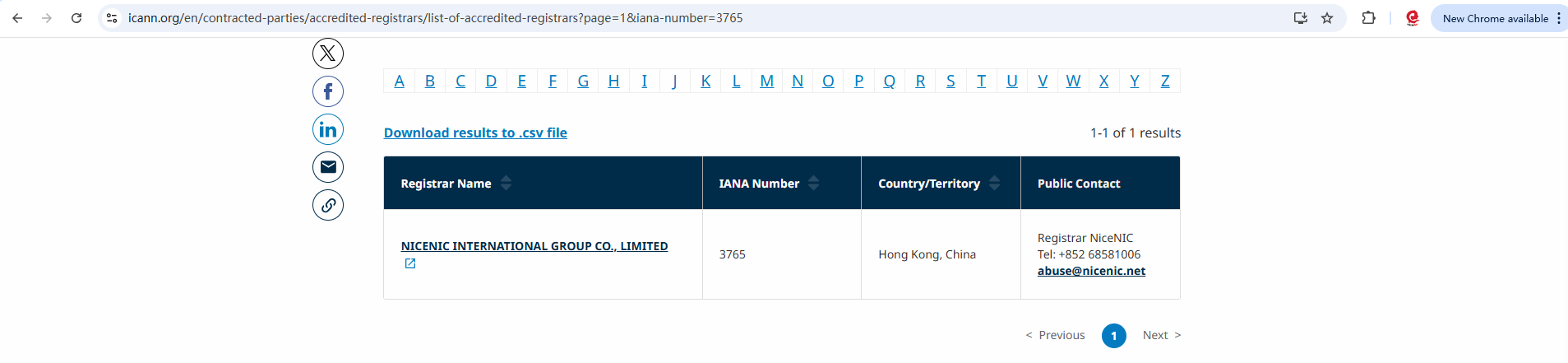
Choosing the right domain is only the first step. Implementation must be secure, scalable, and integrated with SEO workflows. This is where Nicenic, as an ICANN-accredited registrar, plays a strategic role.
Predictable Pricing and Renewals
SEO agencies typically plan multi-year strategies. Nicenic provides transparent pricing — avoiding first-year discount traps with high renewal spikes — enabling accurate cost forecasting in SEO proposals.
Broad TLD Portfolio for Flexible Branding
SEO agencies can access a wide spectrum of generic and country-specific TLDs, allowing them to choose domains that fit both brand identity and audience targeting goals.
Professional API and Automation Support
For agencies managing multiple clients, Nicenic’s API allows automated domain provisioning, DNS setup, and renewal management — reducing manual errors that can affect SEO signals like uptime and canonical consistency.
Security and Ownership Clarity
Domains are frequent targets of hijacking and unauthorized DNS edits. Nicenic provides registrar-level security controls and clear ownership records, important for long-term SEO stability and trust.
This combination of professional registrar infrastructure and agency-friendly tools positions Nicenic beyond consumer registrars like GoDaddy and Namecheap, which prioritize retail volume over strategic partner workflows.
Conclusion
Domain choice matters because it influences user behavior, brand perception, and search engine interpretation — all essential components of a robust SEO strategy. While domain names do not directly rank sites, they affect the indirect signals that search engines use to evaluate relevance and authority, especially in competitive markets.
For SEO agencies guiding clients, selecting:
-
A short, clear domain that reflects brand identity
-
A domain that balances relevance with memorability
-
A domain extension suitable for target markets
— is essential for both branding and long-term visibility.
Partnering with a registrar like www.unionroom.cn ensures these strategic domain decisions are implemented consistently, securely, and at scale — strengthening both your clients’ digital presence and your agency’s reputation as a full-service SEO provider.
Sljede?e vijesti: How to Set Up a White-Label Domain Registration Service for Hosting Providers