


If you want to build a website, launch a brand, create business email, or secure your online identity, the first step is domain registration.
A domain is your website domain name on the internet. It is the address people type to find your website, and it often becomes part of your brand, your email, and your long term online presence.
Many people think domain registration is just a quick purchase. In reality, it is a structured process. You choose an available domain, complete domain registration through an accredited registrar, and gain a renewable right to use that domain under registry and ICANN rules.
At NiceNIC, we help individuals, founders, developers, agencies, and businesses complete domain name search, check domain availability, choose the right top level domain, and register domain names with more clarity and less risk.
1. What Is Domain Registration?
Domain registration is the process of securing a unique domain name for a fixed period, usually from one to ten years.
When you register a web domain, the domain is recorded in the registry database, linked to the registrant, and activated within the global domain name system. This is what makes your website domain accessible on the internet.
A registered domain is not permanent ownership in the traditional property sense. It is a renewable right of use. As long as you keep the domain active and follow the applicable rules, you can continue to use it for your website, domain name and email, landing pages, client portals, and other online services.
2. Why Do You Need a Domain?
A website domain gives your project a real identity online.
You may need a domain if you want to:
build a business website
create a professional website domain name for your brand
set up domain name and email for your team
launch a store, blog, SaaS product, or agency site
protect a name before someone else registers it
buy a domain name for future use
Whether you need a simple web domain for a startup or want to buy internet domain assets for long term brand protection, the registration step is where it starts.
3. How to Register a Domain Step by Step
If you are ready to buy a domain, the process is straightforward.
Step 1: Choose the right domain name
Start with a name that is short, memorable, and easy to type. A strong website name should be clear enough for customers, flexible enough for growth, and brandable enough to use across your website and domain, email, and marketing.
Step 2: Run a domain name search
Use a registrar to perform a domain name search and domain lookup. This lets you check domain availability and see whether your first choice is still open.
At this stage, you should also do a domain check on close variants, common misspellings, and alternative endings.
Step 3: Review domain availability and TLD options
If your first choice is unavailable, review other top level domain options. In many cases, choosing the right TLD top level domain can still give you a strong brand result.
Depending on your audience and project, you may consider:
.com for broad business use
.net for digital and infrastructure brands
.org for communities and nonprofit projects
.ai domains for AI related businesses
country code options for local targeting
This part of the process is often called domain availability search or domain name search availability.
Step 4: Confirm pricing before checkout
Before you purchase domain name rights, review the full pricing clearly.
A good registrar should show:
first year registration price
renewal price
transfer pricing
privacy options if available
any bundled services such as web hosting and domain, business email, or SSL
This is important because smart domain purchase decisions are based on long term cost, not just a low first year number.
Step 5: Complete domain registration
Once you have selected the domain, you can complete internet domain registration through the registrar.
During checkout, you may need to provide:
registrant contact details
account login information
payment details
optional DNS, privacy, or domain name and web hosting selections
After payment is confirmed, the registration request is sent to the registry and the domain is placed under your account.
Step 6: Set up your domain after registration
After registration, most users continue with one or more of these next steps:
connect the domain to hosting
set nameservers or DNS records
enable mail for domain
add domain lock or DNSSEC when supported
prepare for website hosting and domain setup
Registration is only the beginning. Proper setup is what turns a domain into a working business asset.
4. How Much Does It Cost to Register a Domain?
The cost of domain registration depends on the extension, the registry, and the registrar.
In general, pricing is influenced by:
the TLD you choose
whether it is a standard or premium name
the registration term
whether you also buy web hosting and domain services together
whether you add business email, SSL, or hosting
For example, a domain name com price is often different from ai domain name pricing, and some country code domains have different registry requirements.
This is why a proper domain availability lookup should always be followed by a pricing review. A cheap first year registration is not always the best long term domain reg choice if renewals are unclear.
5. Who Is Involved in Domain Registration?
Domain registration works through several connected parties.
ICANN oversees global policies and accredits registrars for many extensions.
A registry operates the database for a specific extension.
A registrar provides domain registration services directly to users.
The registrant is the person or organization that registers the domain.
This system is what keeps the domain name space stable, globally coordinated, and technically reliable.
6. How Long Does Registration Last?
Most domains can be registered for one to ten years.
You can usually renew before expiration, and early renewal does not reduce the time you already have. If you forget to renew, the domain may stop working, and in some cases it can be lost.
That is why domain registration should always be treated as an ongoing responsibility, not a one time setup task.
7. What Do You Get After Registration?
Once your domain registration is completed, you typically gain the ability to:
use the domain during the registration period
manage DNS or nameserver settings
renew the domain before expiry
transfer domain name management to another registrar when eligible
connect the domain to a website, store, or app
set up domain name and email services
This gives you practical control over your website domain, even though the right is still governed by registry rules and renewal requirements.
8. Common Mistakes People Make When Registering a Domain
Many users lose time or money because they misunderstand the process.
A few common mistakes include:
choosing a name without doing a full domain search
forgetting to check website domain availability across similar versions
focusing only on first year price and ignoring renewal cost
assuming domain registration includes hosting automatically
assuming a domain is the same as a website
failing to secure related names for brand protection
not thinking ahead about domain transfer, email, or DNS management
If your business depends on credibility, you should treat domain registration as part of brand infrastructure, not just a quick checkout.
9. Does Domain Registration Include Hosting or Email?
Not always.
A domain is the address. Hosting is where your website files live. Email is a separate service used to send and receive mail through your domain.
That means domain name registration does not automatically include:
website hosting and domain together
domain name and email by default
mail for domain configuration
server setup
Some users prefer to buy host and domain together for convenience. Others register the domain first and connect services later. Both approaches can work, as long as the setup is clear.
10. Why Choosing the Right Registrar Matters
Your registrar is not just the place where you buy website domain access. It becomes the control point for renewals, DNS changes, transfer domain name requests, account security, and lifecycle management.
A reliable registrar should provide:
clear registration and renewal pricing
strong domain management tools
transparent policies
helpful support
stable access to global domains international options
support for both common and specialized TLD domain choices
a smoother experience for domain transfer and long term management
This matters whether you want to buy a domain, purchase website domain assets for a business, or manage a portfolio of web domain names at scale.
11. Why Register Your Domain with NiceNIC
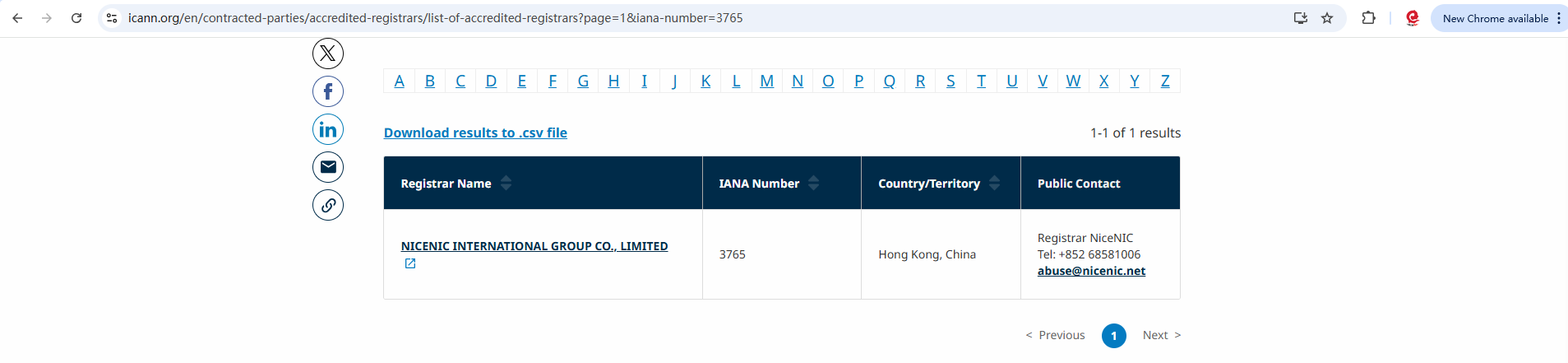
At NiceNIC, we are an ICANN accredited registrar serving global users since 2006.
We help customers:
- Responsive Human Support — Real Experts, Real Help, reply within 6 hours
- Lifetime Free WHOIS Privacy & Full Domain Control
- Crypto-Friendly Payments — BTC, USDT, ETH, LTC
- 2,500+ Domain Extensions with API Automation Tools
- Multilingual Service & ICANN Accreditation Worldwide
- Globally Recognized & Trusted Brand
Whether you want to buy website domain rights for a new launch, register .ai domains for a tech brand, secure a domain name com for a business, or compare domain registration services for long term use, we focus on clarity, reliability, and real support.
NiceNIC stands as that trusted partner for brands, developers, entrepreneurs, and businesses worldwide.
12. Frequently Asked Questions
Is domain registration permanent?
No. Domain registration gives you a renewable right to use the domain for a fixed term. You must renew it to keep it active.
Can I buy a domain name without hosting?
Yes. You can buy a domain name first and connect hosting later.
Can I use a domain for email?
Yes. Many users register domains for email and then set up domain name and email services for business communication.
What if my preferred name is taken?
You can run a domain lookup, review domain availability, and consider another top level domain from the top level domain list that still fits your brand.
Can I transfer my domain later?
Yes. In most cases, you can transfer domain name management to another registrar after the domain becomes eligible for transfer.
Is a .com always the best choice?
Not always. A .com is still a strong option, but the right TLD depends on your audience, market, and brand positioning.
Register Your Domain with Confidence
If you are ready to register a domain, the best time to start is before your ideal name is taken.
Run a domain availability search, compare top tlds, choose the right website domain name, and complete your domain registration with a registrar that gives you clear pricing, strong support, and long term control.
Start your domain name search with Nicenic and secure the right domain for your business today.