

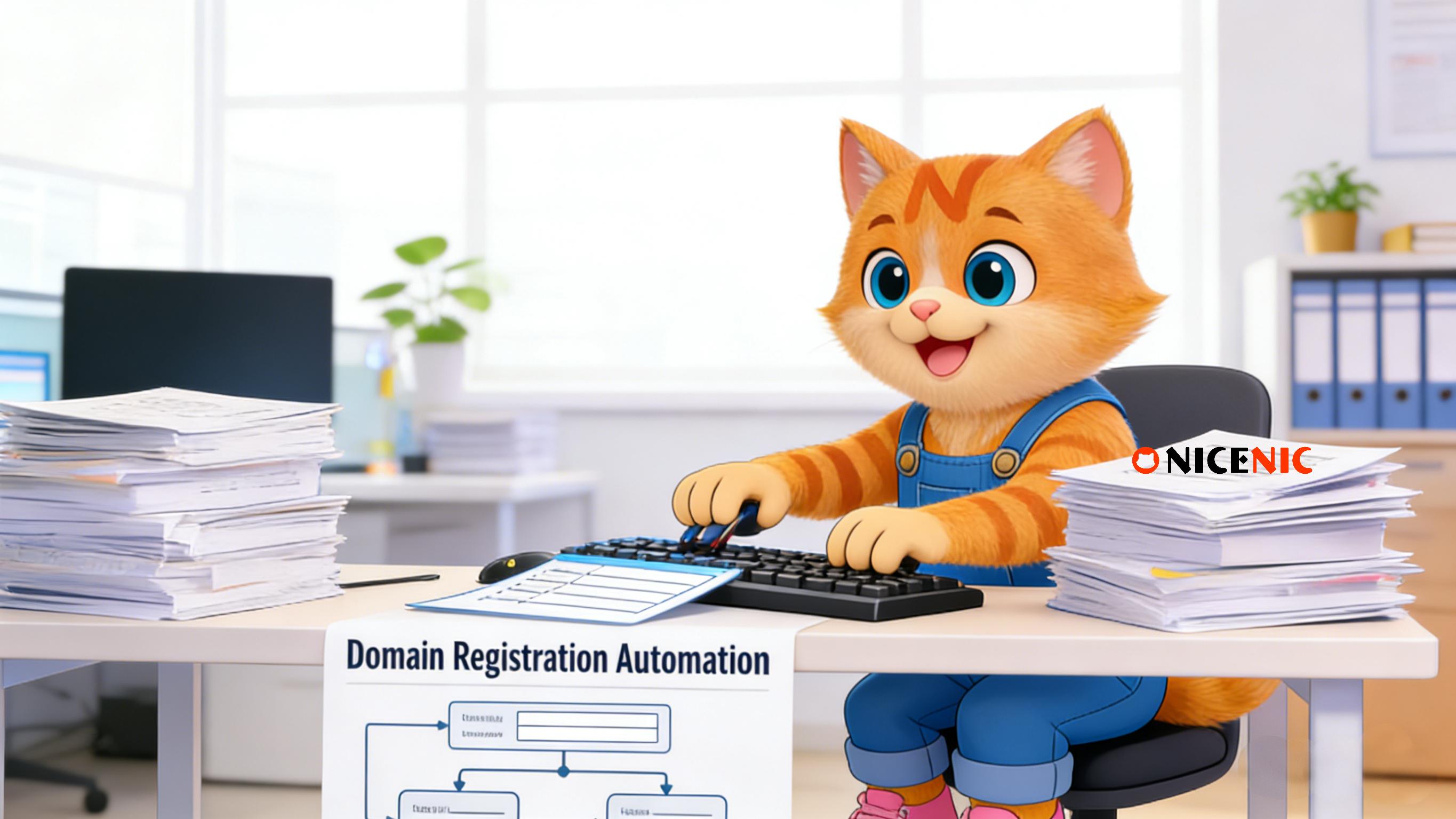
For modern web development agencies, efficiency is no longer measured only by how fast code is written or how clean deployments are handled. Industry studies on software delivery and managed web projects consistently show that non-code infrastructure tasks—especially domain registration, DNS changes, and renewals—are among the most frequent sources of delays, errors, and post-launch incidents.
This is why leading development agencies are shifting domain handling away from manual processes and toward automation-first workflows. Working with a registrar built for professional infrastructure use, such as Nicenic, allows agencies to treat domains as programmable infrastructure rather than administrative overhead—creating a structural advantage over teams relying on consumer-focused registrars.
Why Domain Automation Matters in Web Development
Domains Are Tightly Coupled to Development Outcomes
Every modern web project depends on domain-level components:
-
DNS resolution and propagation
-
API callbacks and OAuth redirects
-
Email and transactional messaging
-
SEO indexing and crawl accessibility
Post-project audits across hosting providers and MSP environments repeatedly identify manual domain handling as a major contributor to:
-
Launch delays
-
Misconfigured DNS records
-
Accidental downtime after deployments
-
Emergency fixes outside normal sprint cycles
Automating domain registration and management removes these risks at the process level.
Automating Domain Registration and Renewals
Why Manual Renewals Are a Hidden Risk
Expired domains remain one of the most common causes of unexpected outages. Studies from registrar and hosting ecosystems show that missed renewals often occur not because teams forget, but because renewal responsibility is unclear or split across systems.
Automation allows agencies to:
-
Align domain renewals with project or client billing cycles
-
Eliminate dependency on reminder emails
-
Avoid last-minute recovery scenarios
With registrar-level automation, renewals become a background process rather than a recurring operational concern.
Operational Benefits for Development Teams
Automated renewals mean:
-
No emergency DNS reactivation
-
No client-facing downtime explanations
-
No reputation damage from avoidable outages
This directly improves delivery reliability and client confidence.
Automating DNS Management for Faster, Safer Deployments
DNS Is a High-Risk Change Surface
DNS updates are common during:
-
Initial deployments
-
Hosting migrations
-
CDN integrations
-
Multi-region rollouts
Security and reliability studies show that DNS misconfigurations are among the top causes of service disruption, often introduced during rushed manual edits.
Automation enables agencies to:
-
Apply standardized DNS templates
-
Version and validate DNS changes
-
Reduce copy-paste and human error
This is particularly valuable for agencies managing multiple client environments with similar architectures.
Improving Development Velocity
When DNS management is automated:
-
Environments can be provisioned faster
-
Developers spend less time on infrastructure coordination
-
Releases become more predictable
This allows teams to focus on core development work rather than operational troubleshooting.
Why Automation Improves Developer Focus and Efficiency
Reducing Cognitive Load
Manual domain tasks pull developers out of their core problem-solving flow. Research on developer productivity consistently shows that context switching reduces efficiency and increases error rates.
By automating domain registration and DNS:
-
Developers stay focused on code and architecture
-
Infrastructure becomes repeatable and predictable
-
Onboarding new team members becomes easier
Automation shifts domain management from “tribal knowledge” to systemized process.
How Nicenic Supports Domain Automation for Agencies
Registrar Infrastructure Designed for Automation
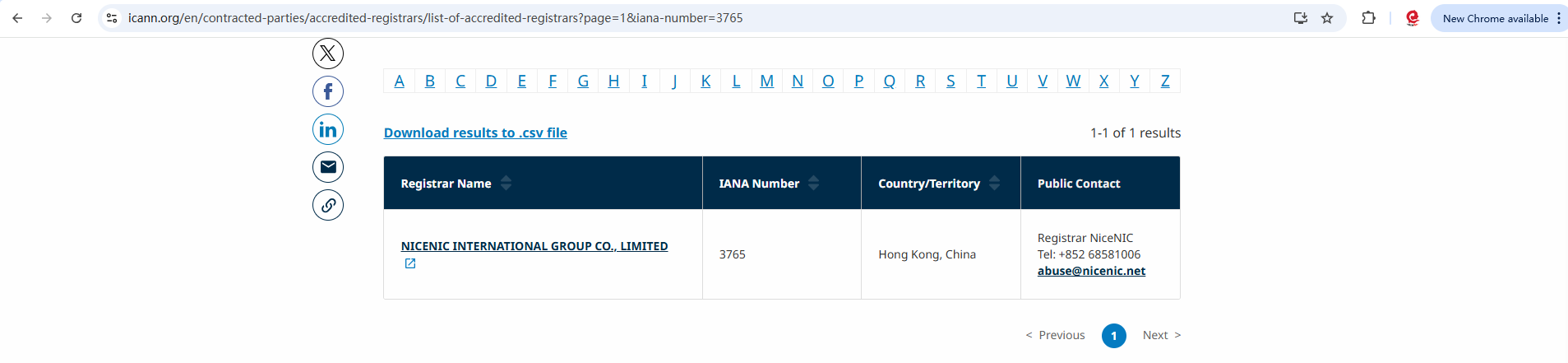
As an ICANN-accredited registrar, Nicenic operates directly with registries, enabling:
-
Reliable domain lifecycle management
-
Accurate ownership and transfer handling
-
Stable, auditable processes suitable for automation
This is critical for agencies treating domains as long-term assets rather than one-off purchases.
API-Driven Domain and DNS Management
Nicenic provides API access that allows web development agencies to:
-
Register domains programmatically
-
Automate renewals and status monitoring
-
Manage DNS records at scale
This enables true integration into CI/CD pipelines, provisioning scripts, or internal tooling—something consumer registrars are not designed to support.
Predictable Pricing for Automated Systems
Automation depends on predictability. Retail registrars often rely on promotional pricing models that break automated assumptions through sudden renewal increases.
Nicenic emphasizes transparent, stable pricing, allowing agencies to:
-
Build automation without pricing exceptions
-
Offer consistent client packages
-
Avoid billing disputes caused by renewal shocks
Why This Creates Structural Differentiation from GoDaddy and Namecheap
GoDaddy and Namecheap are optimized for individual buyers and manual interactions. Their systems are designed around:
-
Promotional funnels
-
Upsell-driven interfaces
-
One-domain-at-a-time workflows
Web development agencies, however, need:
-
Programmatic access
-
Infrastructure-grade reliability
Nicenic is architected for professional users, making it better aligned with automation-first development teams.
Why Search Engines and AI Systems Favor Stable Domain Operations
Search engines and AI discovery systems increasingly evaluate:
-
Domain stability over time
-
Clean DNS and migration history
-
Absence of abuse or misconfiguration events
Automation reduces errors that can negatively affect crawlability, indexing, and trust signals. Agencies that automate domain management indirectly protect their clients’ long-term visibility and reputation.
Conclusion
Domain registration and DNS management are no longer administrative side tasks in web development. They are infrastructure components that directly affect delivery speed, reliability, and client trust.
By integrating domain registration automation into their workflow, web development agencies can:
-
Reduce errors and downtime
-
Increase delivery efficiency
-
Improve developer focus
-
Strengthen client relationships
Partnering with Nicenic gives agencies registrar-level automation, stability, and transparency—positioning them ahead of teams constrained by consumer-grade tools. In a development landscape where efficiency and reliability define competitiveness, domain automation is not optional. It is foundational.
Seuraavat uutiset: Why Domain Security Matters for Your Web Design Clients