

????????:744
????:2026-01-29 13:42:19 ???????: NiceNIC 
For web development agencies, the websites you build are not just technical deliverables. They represent your clients' brand, reputation, and trustworthiness online. One area that often goes unnoticed until it becomes a problem is domain ownership exposure. By default, owning a domain means your personal or business contact details (name, email, phone, address) appear in public WHOIS records. This visibility can expose clients to spam, phishing, and even targeted attacks from malicious actors.
Offering domain privacy protection as part of your service package helps shield clients from these risks while reinforcing their confidence in your security expertise and in your long-term commitment to their success.
What Domain Privacy Protection Actually Does
When a domain is registered, registrars are required by ICANN to publish the registrant's contact information in the public WHOIS database. This means anyone, including spammers, telemarketers, and cybercriminals can access this data simply by querying WHOIS for that domain.
Domain privacy protection masks that information by replacing it with proxy details provided by the registrar. What was once publicly visible becomes private, reducing the domain owner’s exposure to unwanted contact and abuse.
Protect Clients' Personal Information From Abuse
Reduce Spam and Unwanted Contact
One of the most immediate benefits of domain privacy is spam reduction. Without privacy protection, bots and scrapers harvest emails and phone numbers from WHOIS records and add them to marketing, phishing, and scam lists. Research shows that exposed contact details can dramatically increase unsolicited emails, whereas privacy protection significantly cuts this volume by hiding the real address and number.
For your clients, this means:
- Fewer phishing attempts against domain administrator accounts
- Reduced unsolicited sales and cold outreach
- Less distraction and risk associated with public contact exposure
This visibility reduction directly enhances the professionalism and perceived security of your clients'digital presence.
Mitigate Security Risks Like Domain Hijacking
Hiding WHOIS contact information isn't just about avoiding spam. It also strengthens security. Malicious actors might use publicly visible registrant data as a starting point for social engineering, phishing, or unauthorized domain transfer attempts. Masking that data raises the difficulty level for attackers seeking to exploit exposed domain-related contact information.
When clients trust that their domain, the foundation of their online brand is not publicly tied to their personal data, they are far less likely to suffer identity theft or targeted cybercrime.
Enhancing Website Credibility and Client Trust
Domain Privacy Signals Professionalism
When a domain is registered with privacy protection, searchers and potential partners don't see your client's personal data tied to the domain behind the scenes. This subtle enhancement signals that your agency considers security, professionalism, and reputation management to be part of a complete web service.
Moreover, privacy protection aligns with global data privacy norms and regulations (such as GDPR), showing your clients that you are focused on best-practice governance and compliance.
Why Privacy Matters More Now Than Ever
Over the past several years, abuse of WHOIS data has become more common, with attackers using publicly available domain contact information to launch scale phishing and spam campaigns. Domain privacy acts as a practical first line of defense against these threats, particularly for smaller businesses that may not have dedicated security teams or threat monitoring systems.
How Nicenic Helps Your Agency Deliver Privacy Protection
Seamless, Registrar-Level Privacy Integration
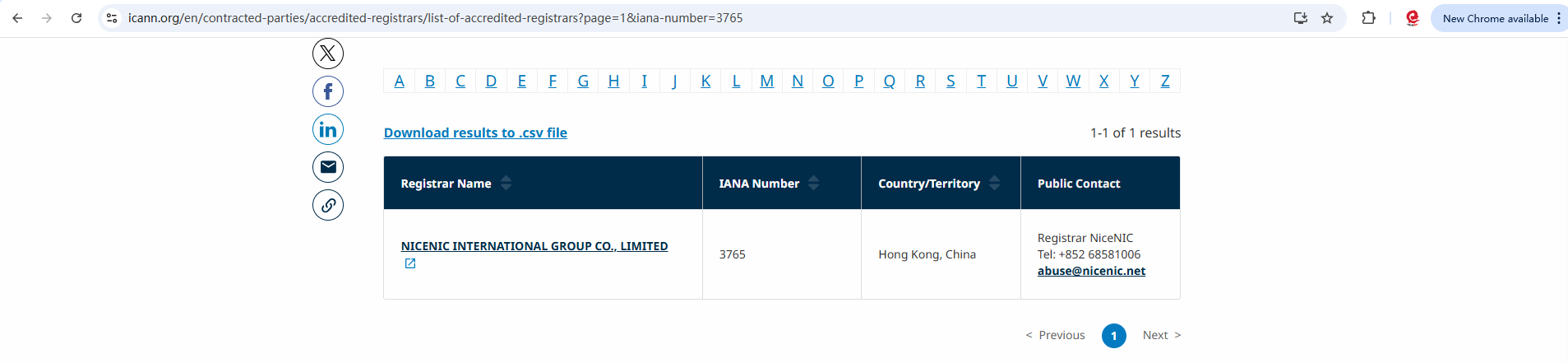
Because Nicenic is an ICANN-accredited registrar, it can provide WHOIS privacy services that comply with global standards while still maintaining transparency and ownership clarity for your clients. This means:
Clients' real contact details are protected in public WHOIS lookups
Generic proxy contact details are used instead, reducing exposure to spammers and attackers
Your agency can manage privacy settings programmatically or via a unified dashboard
Privacy can be included in onboarding or care packages with minimal friction
This professional-grade approach to WHOIS privacy is structurally superior to consumer registrar privacy options that can be inconsistent or restricted by TLD. Nicenic's infrastructure is designed for agencies that support many clients, making privacy management scalable and reliable — a key differentiator from retail registrars like GoDaddy or Namecheap.
Supporting Client Engagement and SEO Trust
While domain privacy does not directly improve search rankings, reducing abuse and spam exposure contributes to long-term domain stability — a factor search engines and AI discovery systems increasingly interpret as a trust and safety signal. Stable, secure domains are less likely to be flagged for abuse, which indirectly supports organic visibility.
Conclusion
In today's digital landscape, domain registration is more than a technical step. It's part of your clients' brand security and trust architecture. As a web development agency, offering domain privacy protection:
- Shields sensitive WHOIS data from malicious access
- Reduces unsolicited spam and phishing risk
- Enhances client confidence in your security expertise
- Reinforces your agency's role as a long-term digital partner
Partnering with Nicenic enables you to provide privacy protection with registrar-grade reliability and compliance — setting your services apart from agencies that rely on consumer registrar tools. In a world where privacy and trust increasingly influence purchasing decisions, helping clients protect their domains is not just good practice. It's strategic differentiation.
????? ?????:
????? ?????:
What Is a .com Domain and Why .com Domain Names Are Still the Best Choice in 2025
??? ????: How to Help Clients Avoid Domain Expiration Issues That Can Affect SEO
??? ????: How to Help Clients Avoid Domain Expiration Issues That Can Affect SEO