

Views:59
Time:2026-03-10 10:11:53 Author: NiceNIC 

For many businesses, domain registration is often handled years before a professional IT service provider becomes involved. As a result, companies frequently have domains registered with different registrars, website hosting located elsewhere, and DNS records managed across multiple platforms. This fragmented setup creates unnecessary complexity and operational risk.
For IT service providers, offering domain transfer services can solve this problem. By helping clients move domains from one registrar to another, preferably into a centralized and professionally managed environment providers can simplify infrastructure management while improving reliability and security.
Under the ICANN Inter-Registrar Transfer Policy (IRTP), domain transfers are standardized and designed to protect domain owners while allowing domains to move between registrars safely. When handled correctly, transfers cause no interruption to website functionality or email services, making them a practical service offering for IT providers.
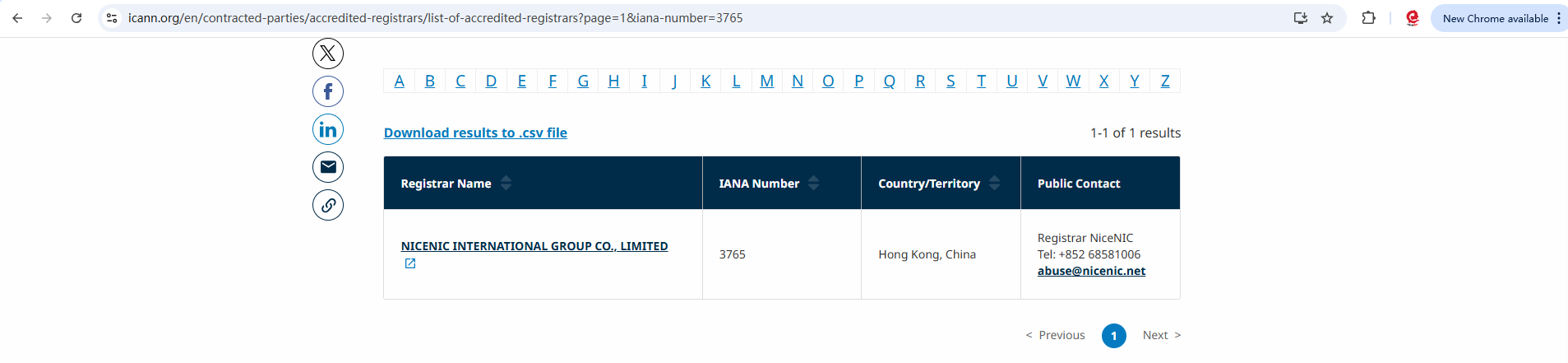
By partnering with ICANN Accredited Domain a registrar such as Nicenic, IT service providers can manage domain transfers efficiently while maintaining DNS stability and compliance with global domain governance standards.
Why Domain Transfers Are Often Necessary
Many organizations register their domains through:
- retail registrars
- website builders
- previous developers or agencies
- hosting providers that are no longer used
Over time this leads to fragmented domain infrastructure where:
- DNS management occurs in multiple control panels
- domain renewals are tracked manually
- security policies differ between platforms
For IT service providers responsible for maintaining client systems, this lack of centralization increases operational complexity.
Offering domain transfer services allows providers to consolidate domain infrastructure, simplifying both management and troubleshooting.
The Business Benefits for IT Service Providers
Improved Client Retention
When an IT provider manages both technical infrastructure and domain control, clients are less likely to move their services elsewhere.
Domain management integration enables providers to:
- update DNS quickly during infrastructure changes
- troubleshoot issues without relying on third-party registrars
- maintain consistent security settings across domains
This integrated service model strengthens the provider-client relationship and improves long-term retention.
Additional Recurring Revenue
Domain transfers are typically followed by domain renewal management, which creates predictable recurring revenue.
Additional domain-related services can include:
- DNS management
- domain privacy protection
- SSL certificate management
- domain monitoring and lifecycle management
By offering domain services alongside traditional IT support, providers can expand their service portfolio while increasing client lifetime value.
Ensuring Minimal Disruption During Domain Transfers
One of the most common client concerns is that transferring a domain might disrupt their website or email services.
However, according to domain registry procedures, domain transfers do not automatically change DNS records or nameservers.
This means:
- websites continue resolving normally
- email services remain active
- DNS configurations remain unchanged unless intentionally modified
To ensure a smooth transition, IT service providers should follow several best practices.
Step 1: Verify Domain Eligibility
Before initiating a transfer, providers should confirm:
- the domain is unlocked
- the client has the authorization code (EPP code)
- the domain is not within the 60-day transfer restriction period
These requirements are defined by ICANN and ensure transfers are authorized by the domain owner.
Step 2: Preserve DNS Settings
DNS continuity is critical to maintaining service uptime.
IT providers should:
- document existing DNS records
- verify active nameservers
- avoid changing DNS configurations during the transfer process
Maintaining DNS stability ensures that websites and email services remain unaffected during the transfer window.
Step 3: Monitor Transfer Progress
Once the transfer is initiated, registries typically complete the process within five to seven days.
During this period, IT providers should monitor:
- domain status changes
- confirmation emails
- registry approval notifications
Careful monitoring helps avoid delays and ensures a smooth transfer experience for the client.
Why DNS Management Matters for SEO Continuity
Search engines rely on consistent DNS resolution to access websites and crawl content.
If DNS configurations are accidentally changed during a transfer, it can result in:
- temporary website downtime
- crawling interruptions
- potential ranking fluctuations
By preserving DNS records throughout the transfer process, IT service providers ensure SEO continuity, preventing unnecessary disruptions to search visibility.
How Nicenic Supports IT Service Providers
While many consumer registrars focus primarily on individual domain buyers, IT service providers require tools designed for managing multiple client domains.
Nicenic offers several capabilities that support professional infrastructure management.
Centralized Domain Management
IT providers can manage multiple client domains from a unified dashboard, allowing them to monitor:
- domain status
- renewal schedules
- DNS configuration
- transfer progress
This centralized approach simplifies domain oversight across multiple clients.
Efficient Transfer Workflows
Nicenic supports streamlined transfer processes that align with ICANN policies, allowing IT providers to initiate and monitor transfers efficiently while maintaining DNS stability.
Professional Domain Infrastructure
As an ICANN-accredited registrar, Nicenic operates within the global domain governance framework and provides:
- reliable domain lifecycle management
- standardized transfer procedures
- registrar-level compliance and security practices
This infrastructure enables IT providers to manage client domains confidently and professionally.
Differentiating IT Services Through Domain Expertise
Many IT providers focus primarily on networking, infrastructure, or cybersecurity.
By adding domain transfer and domain lifecycle management to their services, providers can position themselves as complete digital infrastructure partners.
Instead of relying on consumer registrars, IT service providers working with Nicenic can offer clients:
- professional domain management
- integrated DNS and hosting infrastructure
- secure and compliant domain governance
This level of service helps providers stand out in a competitive IT services market.
Conclusion
Domain transfer services are an essential capability for IT service providers managing modern digital infrastructure.
By helping clients move domains from fragmented registrar environments into centralized management platforms, providers can:
- simplify DNS administration
- maintain website and email continuity
- protect SEO performance
- strengthen long-term client relationships
With the support of Nicenic, IT service providers gain access to registrar-grade tools and infrastructure that enable reliable domain transfers, efficient domain management, and scalable client domain portfolios.
In today's interconnected digital ecosystem, managing domains effectively is not just an administrative task. It is a critical part of delivering reliable IT services.
RELATED NEWS:
Last News:
The Role of WHOIS Data in Domain Ownership and Legal Protection for Clients
Next News: How to Leverage Premium Domains for Better SEO Results
Next News: How to Leverage Premium Domains for Better SEO Results