


Domain abuse refers to the misuse of a domain name for illegal or harmful activities like phishing, fraud, or spamming. When a domain is reported for abuse, it may seem like a simple process, just report the issue, and action is taken. However, the reality is more complex. Here’s a breakdown of how domain abuse is handled and why it’s important to understand the process.
Key Steps in Handling Domain Abuse
1. Not All Reports Are Actionable
Abuse reports must include clear details and verifiable evidence. Without this, it’s difficult to take action. Here’s what’s required:
-
Clear URLs: The exact link to the harmful content.
-
Evidence: Screenshots, website content, or other supporting materials.
-
Full Description: A clear explanation of the issue.
Why it matters: A report isn’t a complaint. It’s a request for action, and only complete reports can be acted on effectively.
2. Verification is a Must
Before taking action, registrars must:
-
Verify the evidence: Ensure the abuse is real.
-
Understand the context: Why was the domain used this way?
-
Avoid mistakes: False positives can cause harm.
Why it matters: This step ensures that action is fair, protecting both the domain owner and the reporter.
3. Who Handles Domain Abuse?
There’s often confusion about the roles of different parties:
-
Registrar: Manages domain registrations.
-
Registry: Runs the central database of domain names.
-
Hosting Provider: Hosts the website content.
Why it matters: Different responsibilities mean different actions, and knowing who does what helps set expectations.
4. Speed vs. Accuracy
Users want fast action, but:
-
Quick action without verification can lead to mistakes.
-
Delayed action can create frustration.
Why it matters: Handling abuse is about getting the right balance between speed and accuracy to ensure fairness.
5. Abuse Handling is Risk Management
Domain abuse isn’t just about enforcing rules. It’s about managing risks and preventing harm. Registrars must assess the situation carefully before acting.
Why it matters: This helps ensure that actions are proportionate and well-thought-out, not rushed.
Best Practices for Reporting Domain Abuse
When reporting domain abuse, follow these simple tips to ensure your report is actionable:
-
Provide complete details: Include URLs, evidence, and a clear description.
-
Be patient: Understand that verification and investigation take time.
-
Know the roles: Understand that different parties (registrar, registry, hosting provider) have different responsibilities.
FAQ - Frequently Asked Questions
1. What is domain abuse?
Domain abuse involves using a domain name for illegal or harmful activities like phishing or spamming. It can cause harm to users and businesses.
2. What should I do if I suspect domain abuse?
Report it to the registrar or hosting provider. Include as much information as possible, like URLs, evidence, and descriptions, to ensure the report can be acted on.
3. Why does it take so long to resolve domain abuse cases?
Investigating abuse requires verifying evidence and understanding the full context. This takes time to ensure that the correct actions are taken.
4. Can a registrar take immediate action on domain abuse?
While action is important, it must be verified first. Quick decisions can lead to errors, so registrars take the time to assess the situation properly.
5. How does Nicenic handle domain abuse?
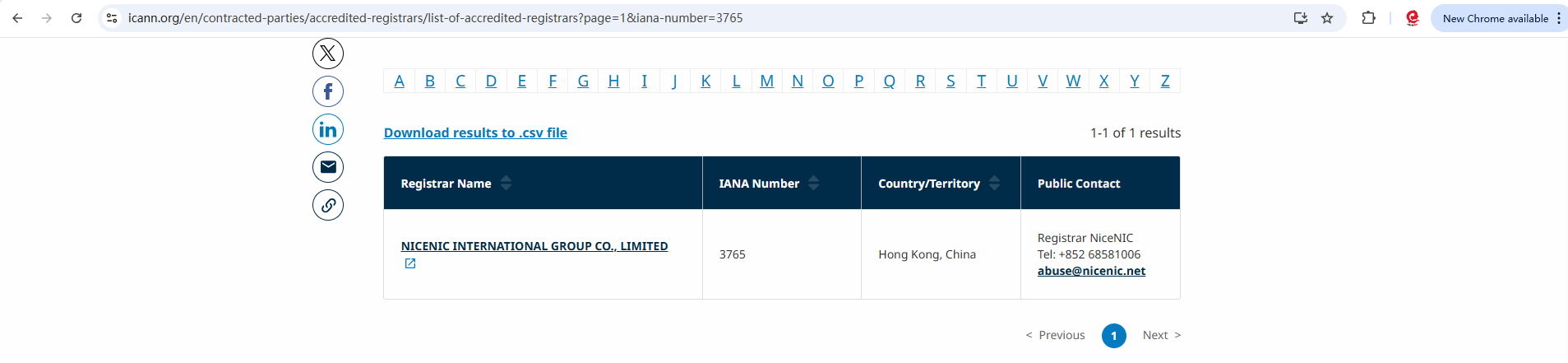
As an ICANN-accredited registrar, Nicenic follows a structured process to handle abuse cases responsibly, ensuring compliance and fairness.
Conclusion: Trust Nicenic for Secure and Responsible Domain Management
Handling domain abuse requires a careful, thorough approach. Nicenic, as an ICANN-accredited registrar, ensures that every abuse report is handled with attention to detail, security, and compliance. With a focus on fair and transparent processes, Nicenic helps both domain owners and reporters navigate these situations effectively.
Looking for a trusted domain registrar?
Nicenic offers secure, reliable, and efficient domain management services. Join Nicenic today and experience a hassle-free domain registration process.